
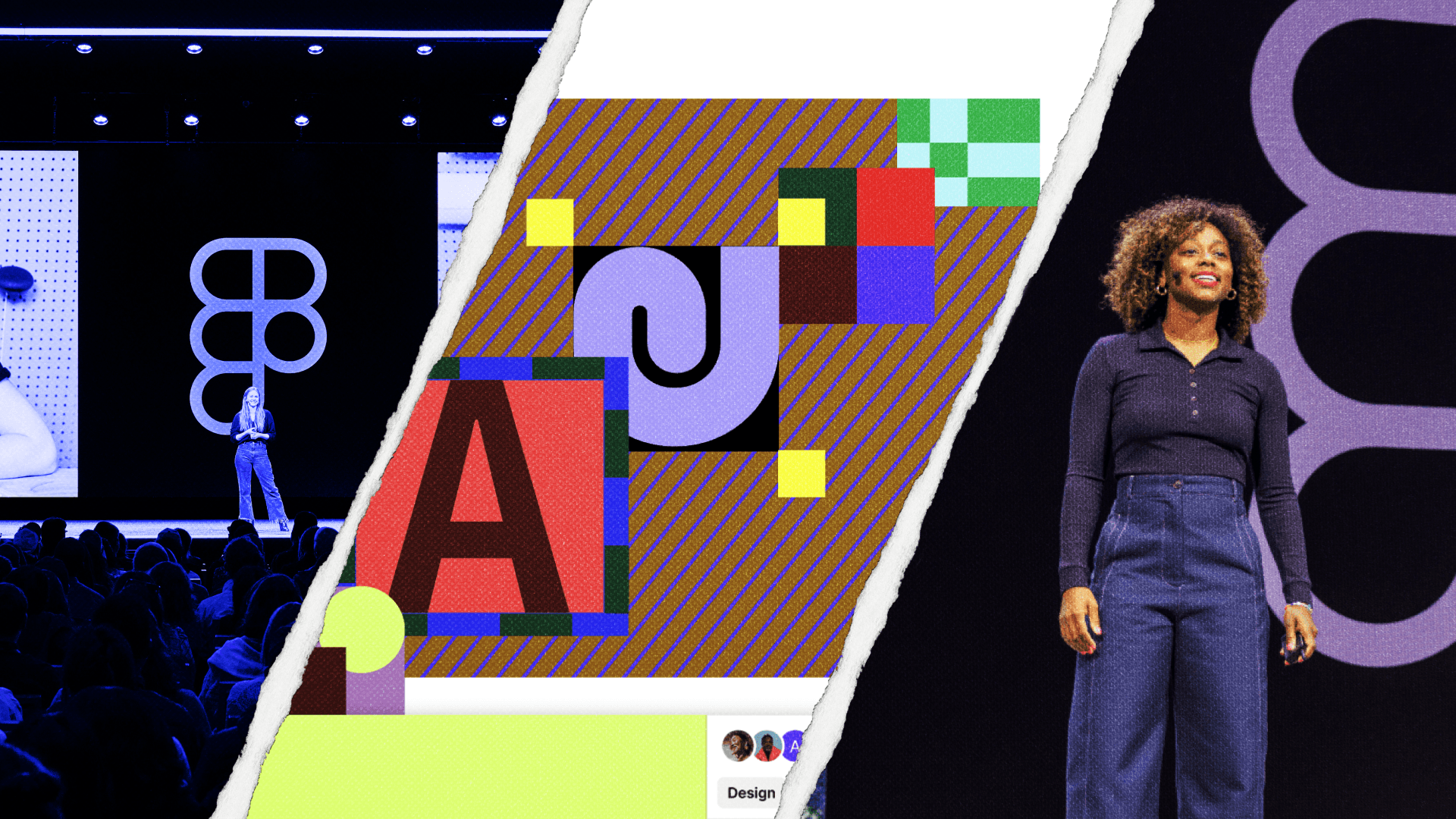
Config 2025: When technology becomes human, design reclaims its soul
Design, by nature, has always been a deeply human practice. From the first stroke of a logo to the digital interfaces we now inhabit daily, designing has essentially been a way of understanding others. However, in recent years, that sensitivity has been at risk. The pressure to scale, optimize, automate, and produce frictionlessly pushed us to adopt technologies that, while useful, began to distort the relationship between designers, users, and purpose.
By: Gibrán García
Just when we were starting to wonder if we'd lost something along the way, it arrived Config 2025. What Figma presented wasn't just four new products, a collection of features, or a platform evolution. It was a subtle, yet powerful, manifesto on how technology can (and should) help us design with more soul, not just more speed.
Between generative AI, self-publishable sites, and text-generated prototypes, what is most surprising is not the sophistication of the tools, but the philosophical background that seems to emerge.
- Figma Make: From Text to Functional Prototype
Figma Make transforms natural language descriptions into interactive prototypes. Powered by artificial intelligence, this tool doesn't aim to replace designers, but rather to free them from repetitive tasks so they can focus their energy on what truly matters: empathy, vision, and innovation.
- Figma Sites: Design and Publish Without Barriers
Figma Sites radically simplifies the process of designing and publishing websites. It eliminates technical intermediaries and allows designers to launch products directly, shortening the distance between creative intent and the end-user experience.
- Figma Draw: Limitless Creative Expression
Figma Draw introduces freehand vector tools that encourage visual exploration within the digital environment. It's an invitation to return to the stroke as a form of thought, remembering that creativity should not be limited by the tool.
- Figma Buzz: Scalable content with a human touch
Figma Buzz offers solutions for generating marketing content at scale, integrating AI to create visuals and text. However, it does so without displacing designers: it keeps the human at the center, ensuring that each piece of content retains authenticity, intent, and emotional resonance.
Technology can be human, if its design makes it so.
After the parade of Figma functionalities, it's easy to get caught up in the technical excitement. But beyond the *what* was launched, what truly matters is the *why*. Each new tool seems to address a deep-seated need: to free the designer from the mechanical to reconnect with the meaningful.
In an environment where the urgent often crushes the important, on the rocket that is AI, having a human in command is crucial. It's no longer just about accelerating product cycles (though that counts too), but about designing to generate emotions, genuine connections, and meaning.
And if that speed gives us space for the new MVP (Minimum Viable Play), then we are facing a powerful possibility: to dilute technical bureaucracy and allow for creative exploration.
Figma doesn't have all the answers, but at this Config, it makes its intentions clear: to make design a freer, more expressive, and paradoxically, a more human craft.
Machines can produce. But humans tell stories, read between the lines, understand silences, gestures, breaths. And if technology allows us to redesign from there, then it's not about losing the soul in the process. It's about reclaiming it.
Do you want to design products that integrate technology with human purpose? Let's talk. We can help you create meaningful experiences where design regains its soul.


