

INTRODUCCIÓN

ARQUETIPOS

OPORTUNIDADES

METODOLOGÍA

La Digitalización
Financiera
El panorama financiero en México y América Latina ha cambiado radicalmente en los últimos años. El avance de las tecnologías financieras ha permitido a más personas gestionar sus finanzas de forma digital, pero la inclusión financiera aún enfrenta retos.
En esta edición de Descifrando desglosamos esos retos, enfocando nuestro análisis en distintos tipos de usuarios y su relación con las finanzas personales.
¡Acompáñanos a descifrar la inclusión financiera!
El panorama financiero en México y América Latina ha cambiado radicalmente en los últimos años. El avance de las tecnologías financieras ha permitido a más personas gestionar sus finanzas de forma digital, pero la inclusión financiera aún enfrenta retos.
En esta edición de Descifrando desglosamos esos retos, enfocando nuestro análisis en distintos tipos de usuarios y su relación con las finanzas personales.
¡Acompáñanos a descifrar la inclusión financiera!
El ciclo dinámico de la inclusión financiera
La inclusión y la adopción digital de productos financieros no es un proceso lineal ni homogéneo; comprende de etapas que permiten analizarla como un ciclo.
Cada una de las etapas del ciclo permite entender cómo es que las personas interactúan con los servicios financieros y qué estrategias pueden seguir las distintas plataformas y servicios para mejorar su experiencia.
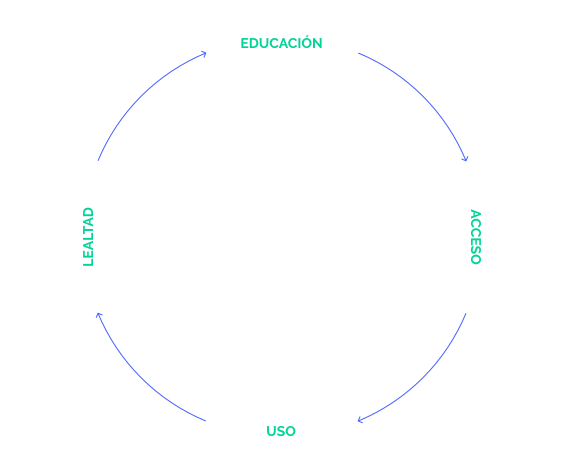
Inclusión financiera
Capacidad de ahorro
Posibilidad de ahorrar de manera fácil y segura.
Protección contra riesgos
Servicios que ayudan a gestionar
riesgos financieros.
Reducción de desigualdad
Promueve desarrollo económico y reduce barreras,
Acceso a productos financieros
Como cuentas, préstamos y servicios formales.

Inversión a futuro
Momentos de vida y madurez financiera
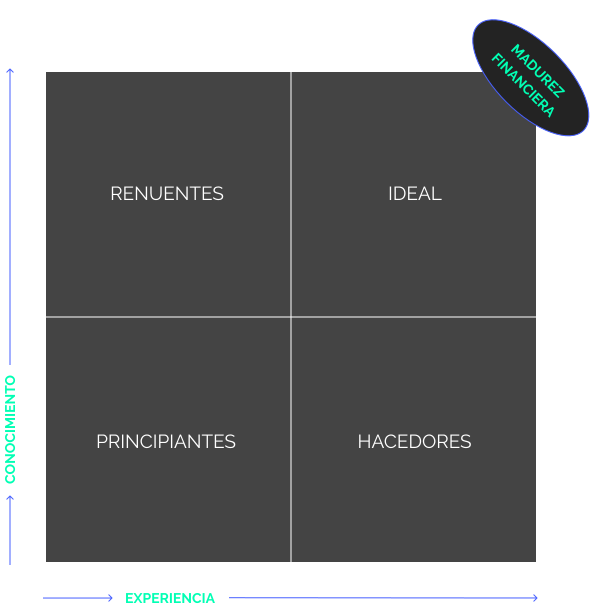
Hay dos factores clave que influyen en nuestra relación con las finanzas: los momentos de vida y la madurez financiera. La interacción de ambos factores determina cómo se toman las decisiones financieras.
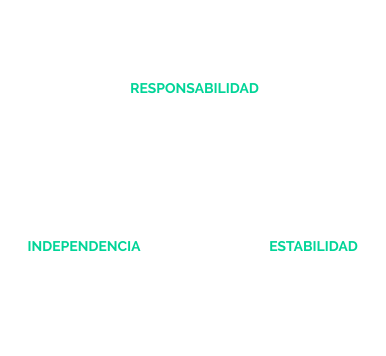
Momentos de vida
Eventos o transiciones importantes en la vida de una persona

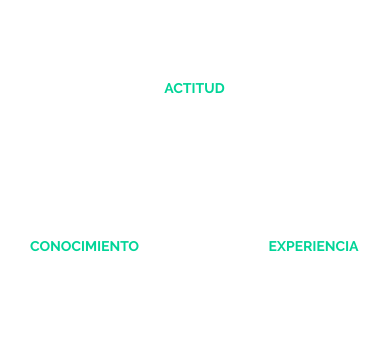
Madurez financiera
Nivel de experiencia y conocimiento para tomar decisiones informadas

Momentos de vida
Eventos o transiciones importantes en la vida de una persona
Madurez financiera
Nivel de experiencia y conocimiento para tomar decisiones informadas
Diferentes actitudes hacia la inclusión financiera
Cuando hablamos de inclusión financiera, los aspectos demográficos suelen ser insuficientes para entender a profundidad a las personas. Hemos identificado cinco arquetipos que representan actitudes y comportamientos financieros en los jóvenes adultos mexicanos. Cada uno de ellos enfrenta retos y oportunidades únicas en su journey hacia la inclusión financiera.
Conformismo Tradicional
Prefiere lo conocido, con bajo apetito por el riesgo.
Escepticismo Pragmático
Crítico y basado en datos, pero renuente a lo nuevo.
Idealismo Sobreconfiado
Arriesgado y explorador de nuevas experiencias financieras.
Impulsividad Aventurera
Guiado por la urgencia o el placer en sus decisiones.
Incertidumbre Miedosa
Evita la toma de decisiones financieras por miedo y falta de conocimiento.
Conformismo Tradicional
- Driver principal
- La comodidad
- Oportunidades en el journey
- Acceso y lealtad
Descripción
- Le funciona lo que tiene y no tiene ningún interés ni motivación por explorar.
- Está estable económicamente por lo que no le gusta limitarse pero tampoco ponerse en riesgo.
- Se siente cómodo con su estilo de vida y su trabajo, sus ingresos son buenos y le permiten holgura económica.
- Bueno por conocido que malo por conocer.
Necesidad para llegar a la digitalización financiera
Volverlo un participante con actividad digital, mejorando su confianza. Reforzar su percepción de seguridad y acceso al dinero. Aumentar su responsabilidad, salir de lo cómodo.
Experiencia
- Su nivel de experiencia es bajo porque probablemente solo ha tenido un banco y prefiere quedarse así.
- Llegó a una entidad financiera por recomendación o por empleadores y se quedó ahí.
- Prefiere entidades financieras reconocidas y sólidas.
Conocimiento
- Tiene conocimiento financiero relativamente alto por su trayectoria. Lleva tiempo tiempo bancarizado y su estabilidad económica le ha permitido crecer.
- Le da miedo experimentar con productos financieros nuevos ya que no confía en su legitimidad y siente que no los entiende.
- Alto conocimiento de productos específicos en entidades específicas pero desconocimiento del sector y las alternativas.
Comportamiento
- Le gustan las sucursales bancarias porque le da confianza tener una canal físico.
- No explora mucho por desconocimiento del sector y por conformismo.
- Hay un factor de miedo y desconfianza importante a la hora de tomar decisiones.
Vida financiera
Gestión
Control total
Indiferencia
Visión
Idealista
Realista
Prioridades
Futuro
Presente
Actitud
Pasiva
Activa
Riesgo
Bajo
Alto
Escepticismo Pragmático
- Driver principal
- Utilidad, estabilidad y provecho
- Oportunidades en el journey
- Uso
Descripción
- Basa sus decisiones en datos concretos y es crítico.
- Tiene estabilidad económica porque ha sabido gestionarse e invertir.
- Es dificilmente influenciado por tendencias o modas.
- Le tiene desconfianza a datos no verificados, a productos que tengan poco en el mercado o que no tengan una base sólida de clientes.
Necesidad para llegar a la digitalización financiera
Fidelizarlo bien y asegurar que promueva sus aprendizajes a los cercanos. Aumentar su responsabilidad, salir de lo cómodo.
Experiencia
- No ha utilizado muchos productos financieros pero los que si los conoce a la perfección
- Tiene que identificar beneficios integrales para decidir utilizar un producto nuevo.
- Domina conceptos financieros.
Conocimiento
- Sabe mucho de finanzas y se mantiene informado sobre temas relevantes.
- Aprende por informarse y no tanto por la experiencia.
- Tiene el hábito de buscar información, es curioso pero desde lo lejano.
Comportamiento
- Evalúa las decisiones que toma en torno a las finanzas de manera crítica.
- No toma decisiones a menos de que esté seguro de que es la mejor alternativa.
- Tiene baja lealtad a las marcas, usa lo que le sirve, y lo deja de usar en cuanto le deja de servir.
Vida financiera
Gestión
Control total
Indiferencia
Visión
Idealista
Realista
Prioridades
Futuro
Presente
Actitud
Pasiva
Activa
Riesgo
Bajo
Alto
Idealismo Sobreconfiado
- Driver principal
- La aventura, experiencias nuevas
- Oportunidades en el journey
- Educación Financiera & Lealtad
Descripción
- Cree que ha llegado al punto de equilibrio entre el conocimiento y la experiencia.
- Es arriesgado en su toma de decisiones financieras.
- Su confianza en los productos los hace early adopters.
- Navega entre los distintos beneficios y productos buscando obtener lo mejor de todos.
- Tiende a ser un brand lover, hay un feature de su producto que defiende a muerte.
Necesidad para llegar a la digitalización financiera
Buscar nuevos enfoques para su educación financiera; asegurarse que pueda evolucionar con el tema para no quedarse rezagado. Aumentar su responsabilidad, salir de lo cómodo.
Experiencia
- Ven la experiencia con productos como conocimiento, y buscan desarrollarse de esa forma.
- Una vez que llegaron a cierta estabilidad financiera, buscaron aprender con la experiencia, y tomar decisiones de alto riesgo.
- Les interesa mucho expandirse hacia productos innovadores y digitales, para sentirse en la vanguardia.
Conocimiento
- Sobreestiman su conocimiento financiero y confían en tomar decisiones de alto riesgo.
- Tienen una educación financiera decente que les ha dado estabilidad.
- Gestionan bien su dinero diario, aunque no conocen a fondo los productos que exploran.
Comportamiento
- Son aventureros, les gusta adentrarse en los diferentes productos financieros.
- Pueden tomar decisiones financieras del día a día que son muy prudentes, pero les gusta arriesgarse al probar cosas nuevas.
- Le interesa utilizar los productos financieros a su favor.
- Son propensos a recomendaciones de gurus financieros o circulos cercanos.
Vida financiera
Gestión
Control total
Indiferencia
Visión
Idealista
Realista
Prioridades
Futuro
Presente
Actitud
Pasiva
Activa
Riesgo
Bajo
Alto
Impulsividad Aventurera
- Driver principal
- El placer, la meta que buscan cumplir
- Oportunidades en el journey
- Uso desde las restricciones
Descripción
- Son idealistas por decisión (o falta de experiencia), lo ven como una forma de vida.
- No ven el conocimiento como algo necesario para tomar decisiones financieras.
- Los productos financieros son un medio.
- Creen que "el dinero va y viene".
- Se guían por el placer (beneficios, rendimiento, consumo).
Necesidad para llegar a la digitalización financiera
Aumentar su responsabilidad conectando con nuevas propuestas de valor.
Experiencia
- Están abiertos o en busca de subir su nivel de experiencia para poder recibir beneficios.
- Su apertura a la exploración y su búsqueda de aprendizaje práctico les brindan un alto nivel de experiencia.
Conocimiento
- Su nivel de conocimiento es bajo, y se relaciona en parte a su despreocupación por el futuro.
- Sienten que pueden aprender todo lo necesario con pura experiencia, aunque esto puede tener consecuencias graves.
- En ocasión pueden tener una aversión al conocimiento financiero teórico (ya sea porque les da flojera, o porque la búsqueda de mayor conocimiento les genera mayor preocupación que sólo vivir en el momento).
Comportamiento
- Buscan aprovechar al máximo los beneficios financieros.
- Son impulsivos y abiertos a probar cosas nuevas.
- Tienden a quedarse atrapados en hábitos de consumo o metas fijas.
- Prefieren aprender de personas en quienes confían, reduciendo su preocupación por el futuro.
Vida financiera
Gestión
Control total
Indiferencia
Visión
Idealista
Realista
Prioridades
Futuro
Presente
Actitud
Pasiva
Activa
Riesgo
Bajo
Alto
Incertidumbre Miedosa
- Driver principal
- El miedo, evitar el estrés
- Oportunidades en el journey
- Educación Financiera
Descripción
- Nuevos en el mundo financiero.
- Le tienen miedo al mundo de las finanzas, por lo cual evitan ganar experiencia y conocimiento más allá de lo necesario.
- Evitan hablar de finanzas ya que lo perciben como imprudente, o les estresa.
- Buscan bajo riesgo, y simplicidad.
Necesidad para llegar a la digitalización financiera
Reforzar su momento de decisión. Aumentar su independencia, salir de lo cómodo.
Experiencia
- Su nivel de experiencia con productos y servicios financieros es casi nulo.
- Tienden a sólo tener una tarjeta de débito y una de crédito.
- Sus miedos se pueden basar en su falta de experiencia, o en experiencias familiares negativas.
Conocimiento
- Su nivel de conocimiento es muy bajo, normalmente porque no lo han necesitado desarrollar.
- Su conocimiento (y a veces "trauma") financiero tiende a ser heredado.
- Pueden tener una preferencia a aprender a través de consejos de personas confiadas (La teoría del mundo de las finanzas se les hace intimidante, aprender por experiencia les espanta demasiado).
Comportamiento
- Tienden a irse por la primera opción, se guían por consejos de personas confiadas, o información de redes sociales.
- No exploran mucho, les da miedo su ignorancia, y lo desconocido.
- Evitan aumentar su conocimiento, ya que les estresan las finanzas.
Vida financiera
Gestión
Control total
Indiferencia
Visión
Idealista
Realista
Prioridades
Futuro
Presente
Actitud
Pasiva
Activa
Riesgo
Bajo
Alto
Los arquetipos y el ciclo dinámico de la inclusión financiera
Cada arquetipo vive de manera diferente el journey cíclico de la inclusión financiera.
Al adoptar o usar productos financieros digitales, cada uno encuentra su propio punto de inflexión o momento de mayor inhibición en su crecimiento.
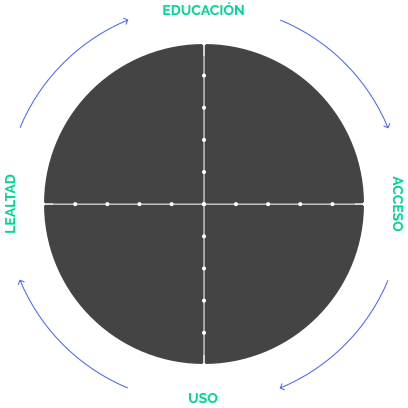










La digitalización financiera se puede abordar de diferentes ejes y bajo diversos esquemas.
En Gerundio creemos que, para abordar el ciclo de la inclusión financiera desde un enfoque sistémico y de diseño estratégico, debemos apostar por incrementar el conocimiento y experiencia de las personas en cada etapa, empezando por la educación.
Recomendaciones para fomentar
la digitalización financiera
Visibiliza el win-win de riesgos y beneficios
Comunica de forma transparente y clara tanto los beneficios como los riesgos al obtener un producto, como lo hace Diggit
Comparte casos de éxito y experiencias de vida reales
Ofrece testimonios, casos de éxito o escenarios cotidianos para enseñar conceptos financieros, como lo hace Compartamos Banco
Visibiliza metas y planes a largo plazo
Implementa programas de educación financiera para incentivar la planeación, como lo hace Santander Super Cheques
Brinda asistencia personalizada en todo momento
Da seguimiento y atención personalizada en un canal amigable y fácil de usar, como lo hace Santander LikeU
Personaliza tu oferta según los momentos de vida
Diseña productos para personas en diferentes momentos de vida y con necesidades particulares, como lo hace Dinn
Aborda la inclusión financiera desde la educación
Incorpora una experiencia pedagógica escalable y personalizable a tu producto, como lo hace Banitsmo "Financiera-Mente"
Evita a toda costa las letras chiquitas
Visibiliza términos y condiciones de los productos de forma simple y fácil de entender e interpretar, como lo hace Policy 2.0
Promueve la gamificación y la interactividad
Crea herramientas que recompensen el conocimiento y experiencia de manera lúdica, como lo hace BillúVerso
Propicia un balance entre la inmediatez y el largo plazo
Ofrece beneficios en dos ejes paralelos que puedan aplicarse de manera inmediata o a largo plazo, como lo hace Mercado Pago
Aumenta la confianza en tus productos financieros
Usa features para explicar cómo funciona tu producto y demuestren su seguridad, como lo hace BBVA
Incentiva el uso recurrente y el progreso
Ofrece programas que beneficien a los usuarios por utilizar productos de manera constante, como lo hace Vexi Niveles
Simplifica los trámites y procedimientos a seguir
Crea procesos ágiles para abrir cuentas, solicitar créditos, acceder a servicios financieros, etc, como lo hace Nu
Acompaña a tus usuarios en todo momento
Ofrece un servicio al cliente que resuelva problemas de manera eficiente, confiable e inmediata, como lo hace Nu
Brinda información clara, transparente y accesible
Ofrece información digerible y práctica que aclare el paso a paso de la inclusión financiera, como lo hace Ualá
Valida y realiza iteraciones de manera constante
Identificar posibles problemas de navegación y entendimiento de la experiencia para mejorarla, como lo hace Konfío
Ofrece interfaces sencillas y amigables
Diseña productos financieros con procesos claros para hacer su uso más intuitivo y sin fricciones, como lo hace Albo
Crea experiencias de aprendizaje escalables
Diseña productos que permitan al usuario crecer conforme aprende a utilizarlos y gestionarlos, como lo hace Stori Card
Premia la fidelidad y genera confianza
Ofrece beneficios exclusivos, atención prioritaria o incluso personalización de la experiencia, como lo hace Hey Banco
Descifrando la digitalización financiera
Descifrando es una serie de reportes en los que compartimos aprendizajes que hemos obtenido a través de esfuerzos de investigación centrada en clientes y usuarios de industrias específicas.
Elegimos descifrar la inclusión financiera porque identificamos una creciente demanda de soluciones digitales entre nuestros clientes. Este tema no solo representa una buena oportunidad para accionar la innovación y diseñar experiencias con enfoque estratégico, sino que también despierta nuestra genuina curiosidad por entender cómo las personas (incluidos nuestro equipo) y los negocios financieros interactúan.
¿Cómo lo hicimos?
Visualizando el reto y analizando en conjunto las tendencias del sector, formulamos un plan para estructurar y gestionar la información futura de nuestros clientes. Nos apoyamos en nuestra experiencia para presentar un análisis de manera efectiva, reforzado con buenas prácticas del mercado, y formulamos hipótesis enfocadas en las personas, los negocios y su proyección futura.
Realizamos encuestas y entrevistas interactivas, mapeando aprendizajes y cruzando datos demográficos. Este proceso nos permitió interiorizar la información y sintetizar una propuesta contextual con un enfoque más emocional.
De esta manera, desarrollamos cinco arquetipos dinámicos que, conectados a momentos clave del ciclo financiero, nos permitieron ofrecer recomendaciones claras y jobs to be done. Nuestro objetivo, es que las marcas, proveedores financieros y cualquier persona transforme las experiencias de inclusión financiera, mejorando la relevancia y la presencia en la vida de sus clientes.
Fuentes consultadas
Fintech Innovation Radar // INEGI – Encuesta de Inclusión Financiera 2021 // PNUD – Modelo de Inclusión Financiera para Mujeres // Boletín de Inclusión Financiera 2019 // PENSIONISSSTE – ¿Qué es la inclusión financiera? //
Encuesta Nacional de Inclusión Financiera (ENIF) // Forbes México – Inclusión financiera // Digitt // Compartamos Banco – Premio Emprendedores // Compartamos Banco // Santander LikeU // Santander Super Cheques // Dinn // Fondeadora | Profesional // Policy 2.0 // Vexi – Niveles // Mercado Pago // Mercado Pago – Negocios // Billú