The iterative design: playing the infinite game of brands
A few days ago, I was listening to Juan Manuel Garrido on the podcast Learn from the Greats And one phrase made me reflect: “design is any act with intention in the world.” This idea led me to think about how design affects our relationship with objects, products, situations, and brands. That impact shapes our experience, and in turn, our experiences transform the products, services, and experiences that surround us. It's a constant cycle of change.
For Carlos De Santiago
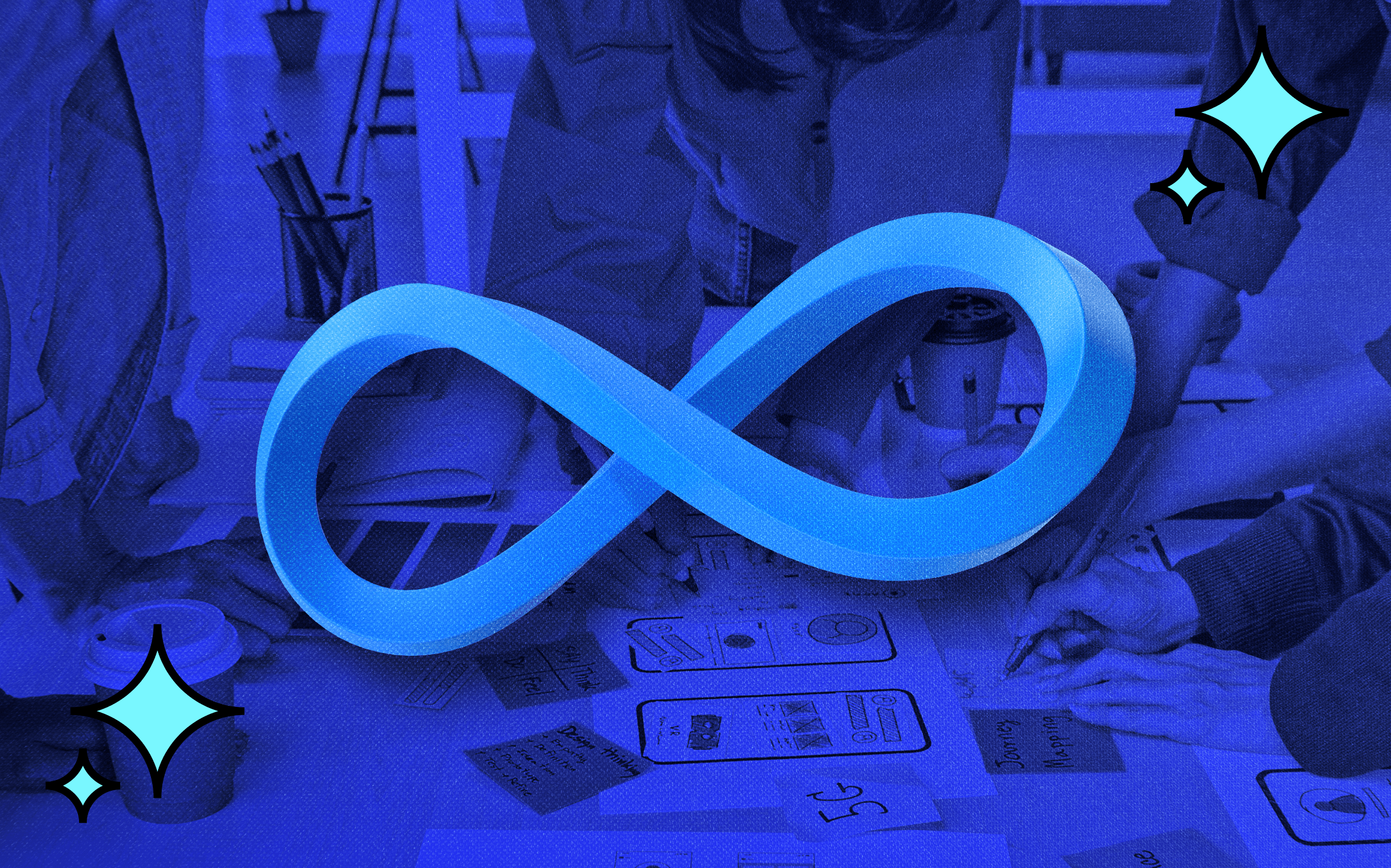
This model reminded me of the concept of the “Finite and Infinite Games” by James P. Carse. Unlike a soccer match, which has clear rules, a defined time, and a tangible outcome (win, lose, or draw), brands participate in an infinite game. There is no “best brand in the world” because there is no universal parameter to measure them. Instead, what matters is the ability to adapt, evolve, and remain relevant in an ever-changing context.
The impact of design on our experience
Design, in any of its forms, has the capacity to transform how we see the world and how we interact with it. For example, language is one of the most fundamental “designs”: it shapes our worldview and affects how we relate to people and ideas. Similarly, the decisions a brand makes in its design—from how it structures its value proposition, business model, and even the products/services it offers—shape its relationship with its audience.
An emblematic case is Apple. When they launched the first iPhone, they not only solved immediate communication needs but also transformed the way we interact with technology and the world. Today, from sending messages to making payments, our routines revolve around these smart devices. That technological revolution didn't stop there. Apple, along with other companies, has constantly iterated to adapt to this cultural shift. After that revolution and how our experience has been shaped around smart devices, Apple and many companies have iterated around this cultural shift.
That's where the iterative design that allows us to “organize” this cyclical process of learning, development, and feedback in a better way.
Iterative Design in Brand Strategy
When a brand adopts an iterative approach, it recognizes that its audiences are not static entities. Needs, preferences, and behaviors constantly change due to the impact of decisions that the brand itself, and other brands, introduce into the market. A product that is effective today could be irrelevant tomorrow, and conversely, a technology that is not relevant today may be tomorrow. But a brand that is dedicated to listening, experimenting, and evolving has the ability to stay in the infinite game.
An example of this is Netflix. What began as a DVD-by-mail rental service evolved into a streaming platform that today leads the global market with original productions based on data and user interactions. Every decision –from the genres of their series to their platform interface and the series and movie cover art– is designed to iterate on your audience's experience.
Learning and adapting: the foundation of iterative design
Constant learning is key to iterative design. Every interaction with the audience is an opportunity to improve: Is the message working? Does it solve a real need? Can we optimize the experience? Even small details, like showing relevant information at the right time or allowing the user to customize their shopping cart, are part of this process.
This process isn't linear; it sometimes involves backtracking, trying new things, or making mistakes. But it's through these iterations, big or small, that brands manage to stay relevant, valuable, and connected with their audience.
To conclude
When I think about iterative design, I don't just see a methodology; I see a philosophy that can be applied to brands and our own lives alike. Just as a brand learns and evolves with every interaction, we too are constantly redesigning how we navigate the world.
The challenge, for brands and for us, is to embrace this infinite game: to continue designing with intention, learning from each iteration, and evolving over time. Because in this game, it's not about winning, it's about continuing to play.