Personas felices, procesos eficientes y herramientas de diseño escalables
Por: Cecilia Rodríguez
Del 17 al 20 de octubre de este año, primera edición de la conferencia de DesignOps Latam, una comunidad que ha escalado rápidamente entre los profesionales del diseño y cuya misión es madurar la práctica de esta disciplina en Latinoamérica.
Con un total de 18 conferencias y un día dedicado a workshops independientes, el evento no solo ofreció conocimientos enriquecedores, sino que también proporcionó un espacio dinámico para la interacción y colaboración entre profesionales del diseño.
Pero, más allá de la participación en el evento, definamos ¿qué es DesignOps? Según Nielsen Norman, Design Ops, u Operaciones de Diseño, se refiere a la orquestación y optimización de Personas, Procesos y Herramientas para potenciar el valor y el impacto del diseño a gran escala. Esto implica abordar desafíos como el crecimiento y evolución de equipos de diseño (Personas), la creación de flujos de trabajo eficientes (Procesos) y la mejora de la calidad e impacto de los resultados del diseño (Herramientas).
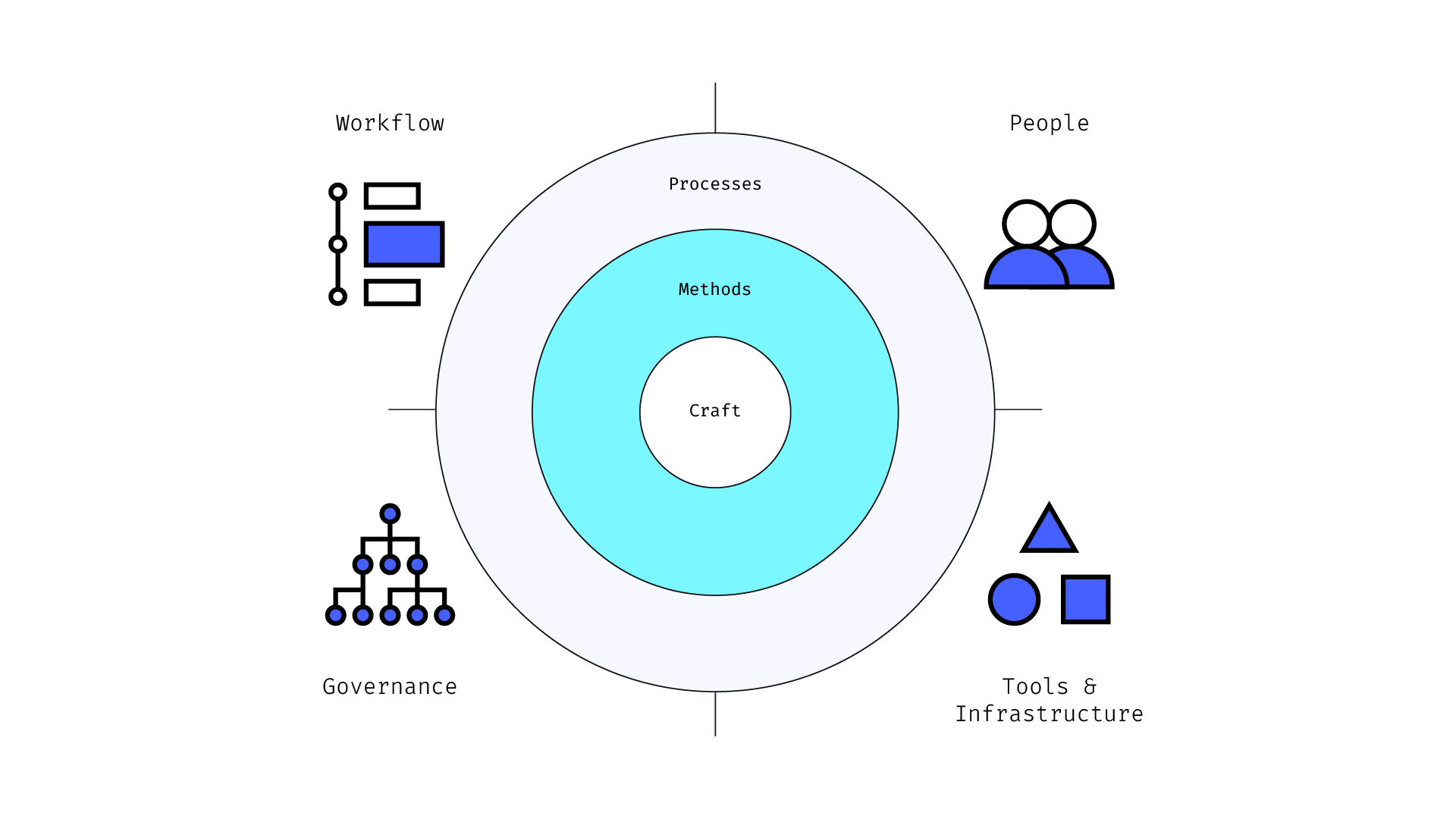
Por lo tanto, el propósito de implementar DesignOps es potenciar el valor del diseño, fomentar la colaboración, la creatividad y la innovación. Además de asegurar la calidad, escalabilidad y consistencia de los entregables del equipo para generar un impacto positivo en la experiencia del producto o servicio que se diseñe.
Existen 4 factores centrales, mencionados en DesignOps Handbook.
- Escalada de Negocios: A medida que los negocios crecen, surge la necesidad de optimizar y coordinar eficientemente los procesos de diseño. Además, con equipos de diseño en constante expansión, se requiere una estructura que facilite la gestión y la colaboración efectiva.
- Prioridad en las Personas: Reconocer, recompensar y promover a los diseñadores es esencial para mantener un equipo motivado y comprometido.
- Altas Expectativas: La demanda de mejores experiencias de diseño y resultados más efectivos exige la implementación de estas prácticas.
- Diversidad e Inclusión: En un contexto donde la diversidad y la inclusión son esenciales, se requiere capacitación y práctica para fomentar equipos diversos e inclusivos.
En resumen
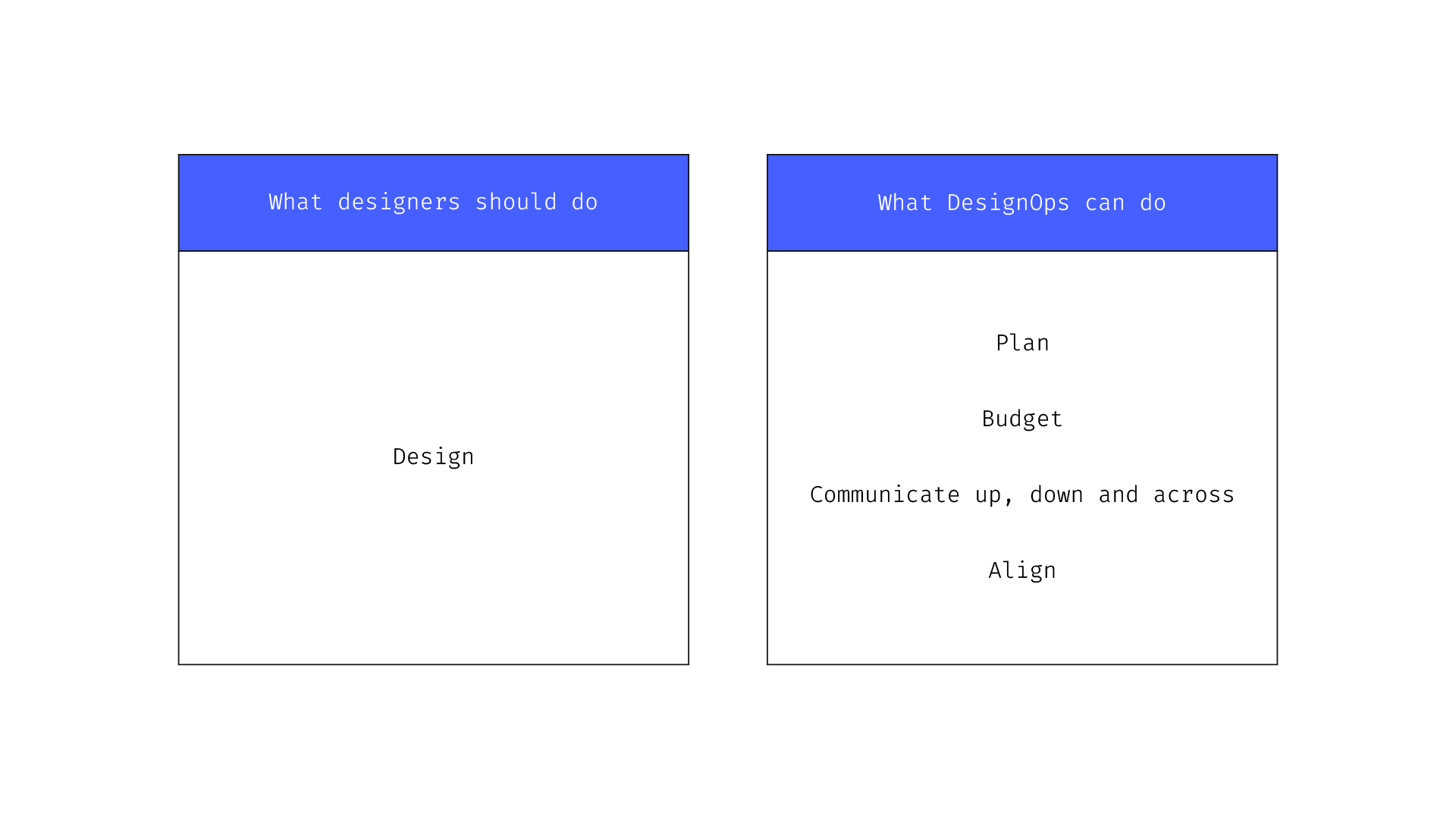
El propósito fundamental del DesignOps es implementar procesos y medidas que respalden soluciones escalables para superar estos desafíos, permitiendo así que los diseñadores se centren plenamente en el diseño y la investigación.
En Gerundio, comprendemos este objetivo. Nuestros servicios se basan en la eficiencia de procesos, contribuyendo a la consecución de un triple beneficio: personas más felices, procesos más eficientes y herramientas de diseño verdaderamente escalables. Estamos comprometidos a ser tu aliado en el camino hacia el crecimiento de tu negocio.