Loyalty as the most profitable financial asset in high interest rate environments
AuthorElena Benitez, CEO and Founder.
The current financial landscape has changed the rules of growth. With high interest rates, capital is no longer cheap, and with it, the «grow at all costs» strategy through massive customer acquisition has become unsustainable.
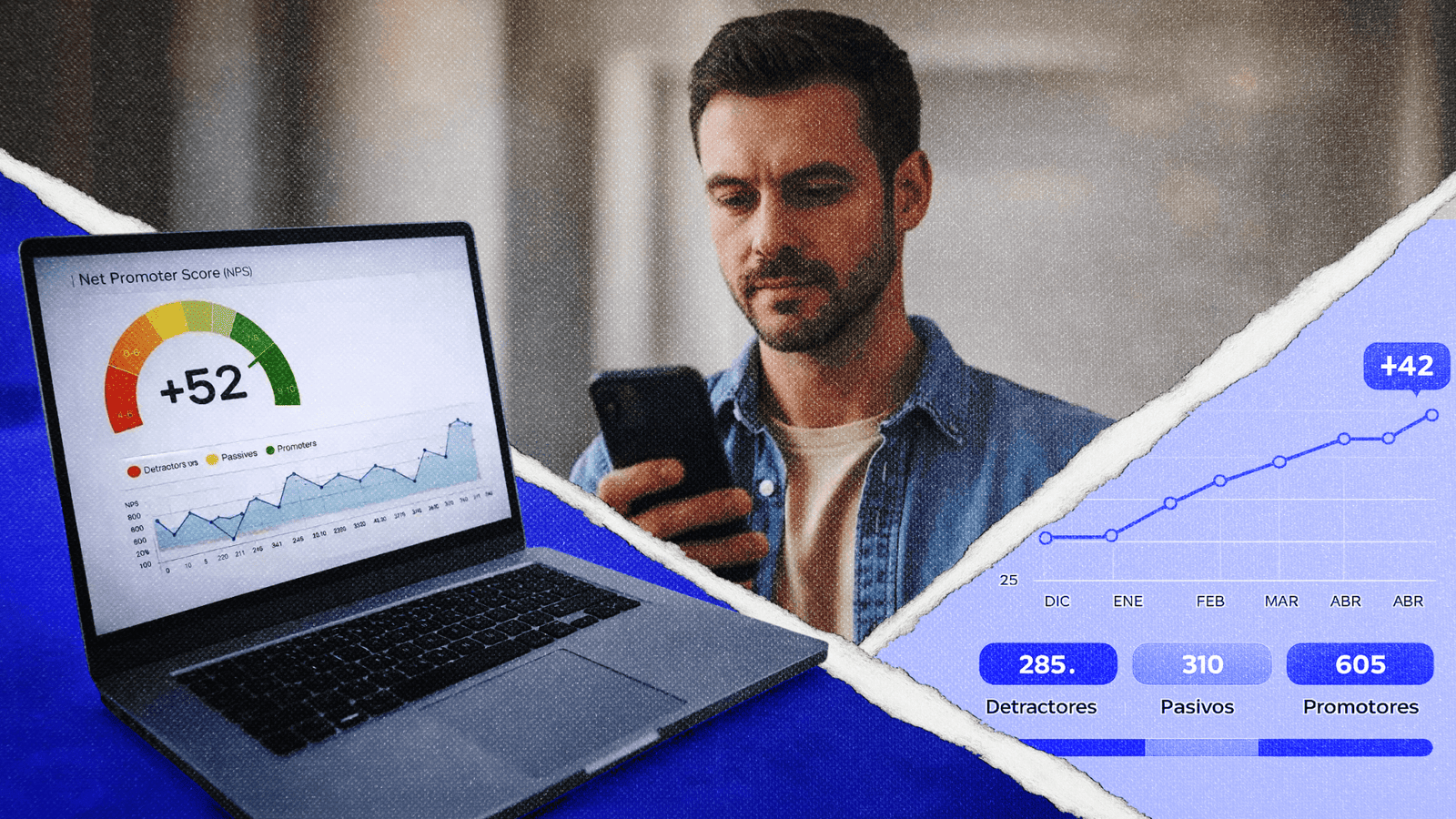
In this scenario, Customer Lifetime Value (CLV) emerges not as historical data, but as the most critical survival metric for Fintech and service companies in Mexico. Loyalty is no longer a «branding» issue; it is the most secure asset on your balance sheet.
Financial Arbitration: CAC vs. Loyalty
The mistake many organizations make is to continue measuring success by the volume of new openings. However, under current financial rigor, a high Customer Acquisition Cost (CAC) is a debt the business incurs. If that customer does not have a long life cycle, the company is burning cash on an asset that depreciates before becoming profitable.
The ROI of loyalty is, by definition, higher because the cost of retaining and expanding an existing relationship is a fraction of the cost of acquisition. When we design for CLV, we are optimizing the company's capital.
At Gerundio, we understand loyalty ROI as the financial efficiency generated by transforming isolated transactions into a Relationship System that shields operating margin from market volatility.
CLV in Fintech: From Subsidy to Real Profitability
The Fintech sector in Mexico is the perfect example of this transition. For years, the market allowed for models based on user subsidies (cashback, unrealistic rates). Today, survival depends on identifying segments whose CLV justifies the investment.
- Profitability segmentation Not all customers deserve the same service design. CLV allows for the identification of «High Value Customers» to protect them with differentiated experiences.
- Recovery speed: In times of high rates, what matters is how quickly a customer's margin covers their CAC. Strategic design accelerates this process by eliminating friction in product usage.
This analysis of behavior and profitability is the central axis of our study. Deciphering Financial Digitalization, a tool essential for leaders seeking to financially measure their impact.
Five Principles for Transforming CLV into Strategy
So that brand vision translates into results, at Gerundio we apply these design principles:
- Align CAC with the actual lifecycle: If the acquisition cost recovery takes more than 12 months in this rate environment, the design model must be intervened.
- Investing in «Silent Engagement»: Real loyalty happens in daily use, not promotions. Designing for daily utility is designing for CLV.
- «Velocity of Value» Metrics: Measuring the time elapsed from Onboarding until the client generates their first positive cash flow.
- Design for Recommendation (Organic Growth): The highest CLV comes from customers who bring in other customers, reducing the system's average CAC.