Why Your Rewards Are Killing Emotional Loyalty: The Risk of Transaction Over Bond
There is a recurring phenomenon in loyalty strategies in Mexico: companies that buy user attention but never their preference. An increase in monthly transactions is celebrated as success, when in reality it is feeding a dangerous dependence on incentives. That old story about loyalty being built with points and discounts is what today has hundreds of brands trapped in a price war where no one wins.
The reality is that a discount is a painkiller, not a cure. If the customer only returns because you are the cheapest or offer the most «freebies,» you don't have a loyal customer; you have a deal mercenary who will leave as soon as the competition offers a peso more profit.
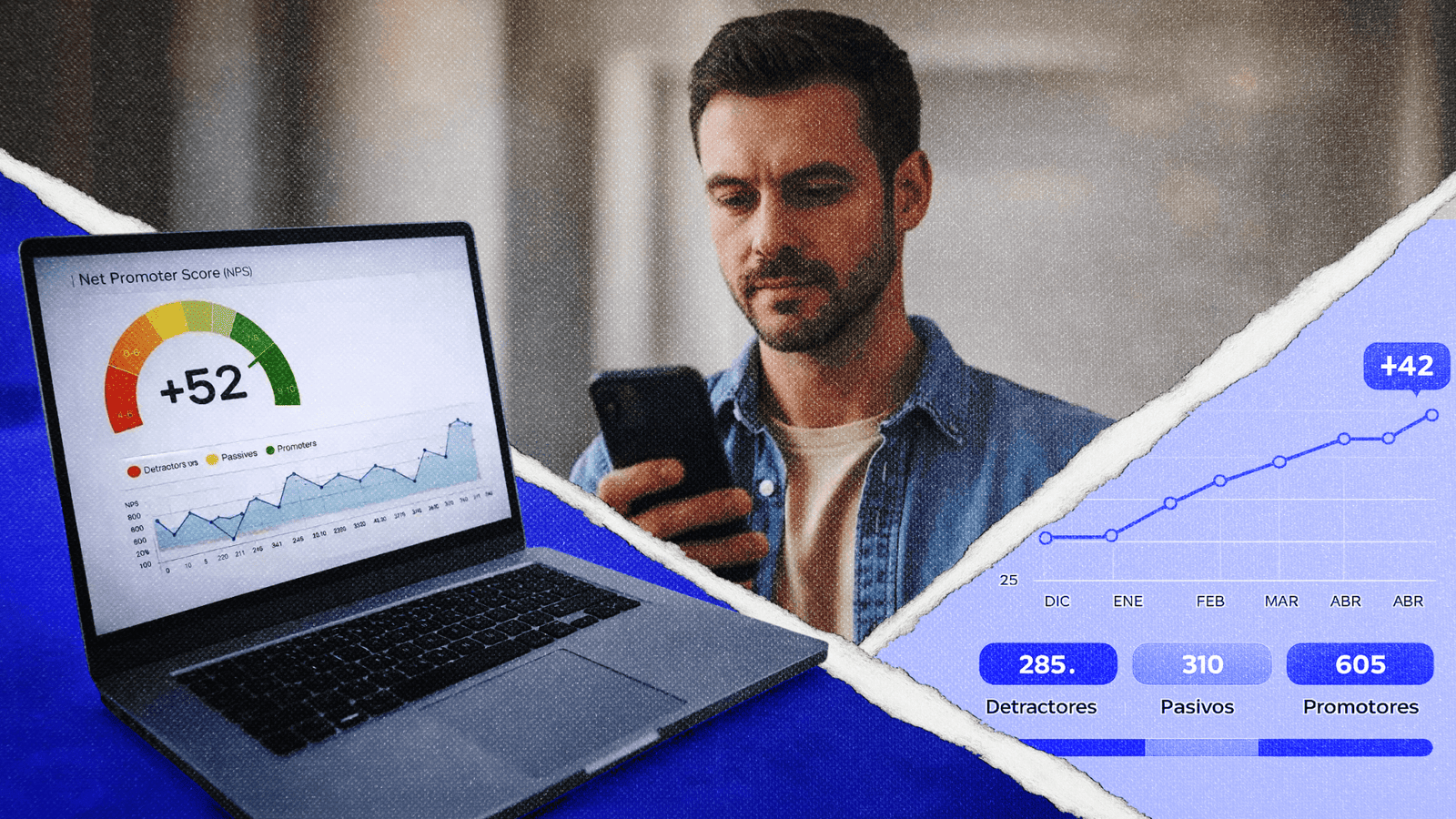
The Risk of the Wrong Metric: Confusing Transactions with Affinity
At the results meetings, the transactional loyalty it usually looks impeccable. The charts show constant buybacks and active coupon usage. However, this is fragile loyalty. The Emotional loyalty O brand affinityon the contrary, is silent and resilient. It's the one that happens when a user decides to stay with you even when you don't have an active offer, or even better, when you have an operational hiccup.
The problem with optimizing solely for the transaction is that it neglects the customer confidence. When the brand-user relationship is exclusively based on «give me so I can give you,» the brand loses its symbolic value and becomes a commodity.
At Gerundio, we've observed that brands that transcend are those that understand that Emotional loyalty is a relationship system, not a rewards program. The reward should be recognition for an existing relationship, never a bribe to start one.
Loyalty as a system of relationships
For us, designing loyalty isn't writing terms and conditions for a points card. It's understanding the business, the context and to personas To create a system where the brand is relevant in the user's daily life.
The Emotional loyalty is defined as the psychological and emotional bond that a consumer develops towards a brand, based on consistent experiences, shared values, and unwavering technical trust. Unlike transactional loyalty, this loyalty reduces price sensitivity and increases Customer Lifetime Value (LTV) organically.
To build it, we move from «marketing promise» to «operational fulfillment.» Branding isn't what you say in an Instagram post; it's how you solve friction when the user is in a hurry, has a low battery, or is distracted. That is the true territory of Brand-user relationship.
5 Principles for Building Emotional Loyalty (and Stop Relying on Points)
For the customer experience to be a strategic differentiator and not a marketing expense, these design pillars must be applied:
- Replace incentive with utility: Before giving away a coffee or a coupon, make sure your basic service is impeccable. A system that «just works» generates more customer confidence than any complex rewards program. Loyalty is born from gratitude for a solved problem, not for a gift received.
- Design for «Silent Engagement»: Not all loyal customers «like» or comment. The most valuable customers are usually those who use your service smoothly and consistently without interacting with your mass communication. Emotional loyalty is manifested in the sustained adoption of habits, not in digital noise.
- Reduce Cognitive Friction Emotional loyalty breaks when the user has to think too hard to use your service. If your «loyalty program» requires an instruction manual, you're generating fatigue, not affinity. The best relationship system is one that feels like a natural extension of the user's life.
- Prioritize consistency over intensity One «Wow» moment does not compensate for ten moments of operational frustration. brand affinity It is built on the accumulation of predictable and positive interactions. Loyalty is, in essence, the elimination of uncertainty.
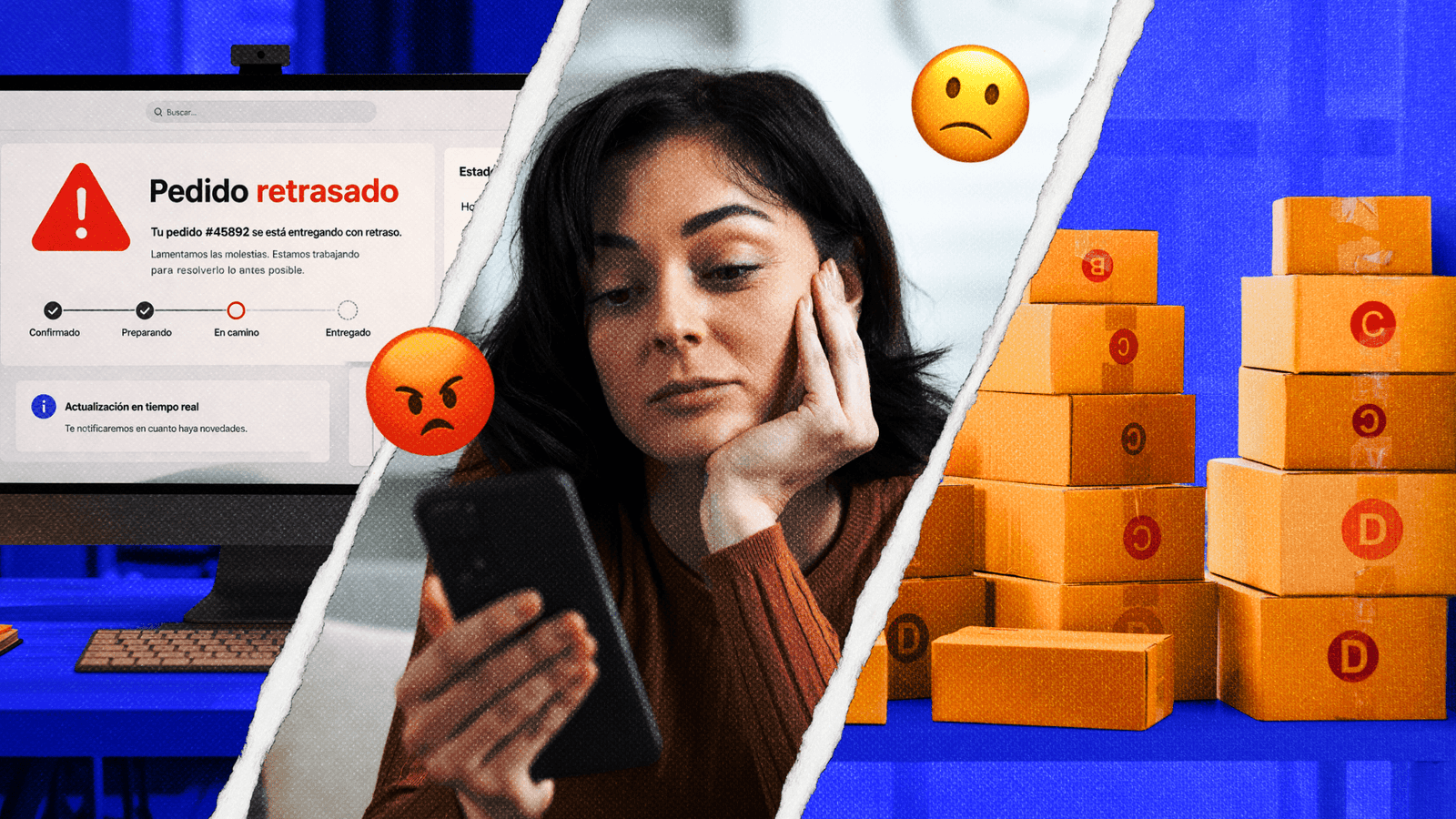
- Dignify the relationship in the crack True emotional loyalty isn't tested when everything goes right, but when something goes wrong. The way your service system reacts to an error (after-sales service) is the moment with the greatest potential to solidify a bond or break it forever.