Design Systems: The Key to Coherent and Efficient Digital Design
You've surely heard a lot about Design Systems. This concept is increasingly used in the jargon of innovation agencies, design studios, and brand consultancies, but do you know what it's all about? Here we'll tell you.
By: Paola Morales
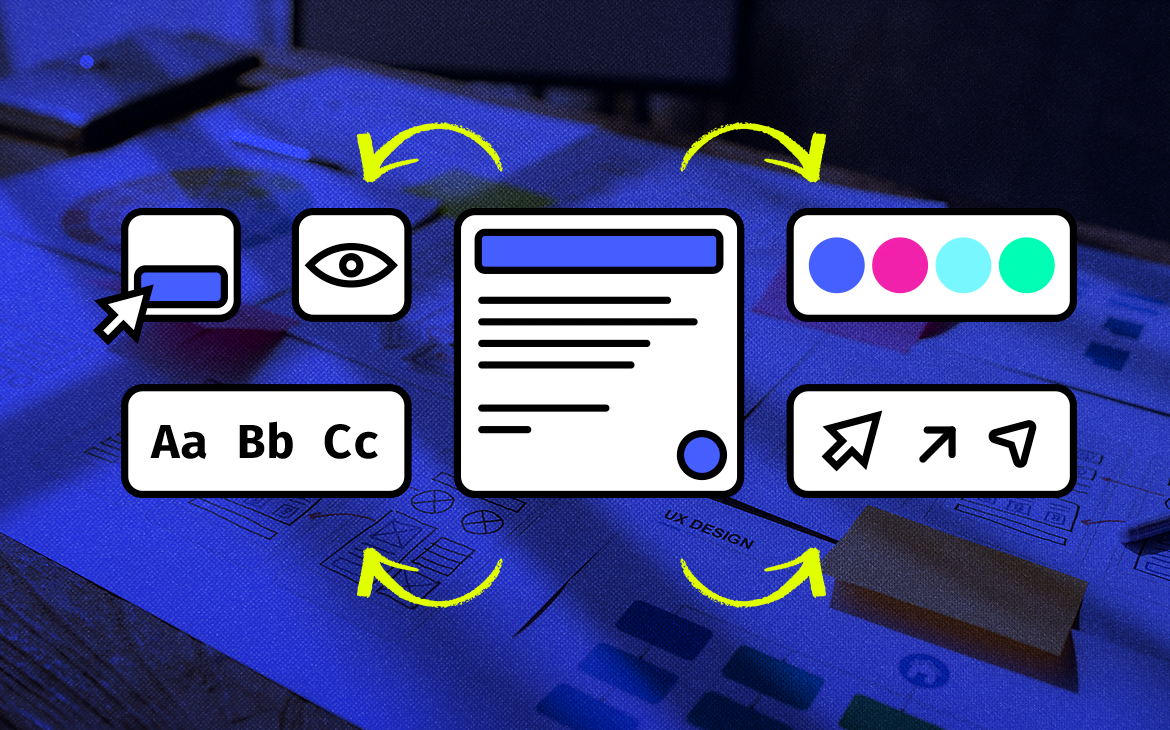
Basically, a Design System consists of a set of rules, principles, and tools that help guide the design and development of digital products in a consistent and efficient manner. It's like a toolbox where designers and developers find everything they need: typography, color palettes, logos, icons, and components that can be reused across different products and channels.
These components, called reusable components, are common elements in interface design; they can be menus, footers, cards, buttons, and inputs. The idea is that by using these components, all elements of a digital product will maintain a coherent look and functionality, which facilitates collaboration among teams and speeds up the design and development process.
Benefits and main uses of reusable components:
Visual consistency and standardization
Using reusable components, you can design a menu, a button, or a form once and use it on all screens of the product. This way, everything looks and works the same everywhere.
Additionally, if you need to change something in the menu, you can do it once in the main component, and the change will automatically apply to all screens that use it. this avoids making adjustments one by one on each screen.
Development and maintenance efficiency
Reusing predefined components reduces the time needed to create new screens or features. With these types of components, you not only save time, but you also make fewer errors and ensure higher quality in the final design.
Improved collaboration and communication between teams
By using these types of components, you are creating a common language for designers and developers, facilitating communication and collaboration between teams. This helps new team members integrate quickly and follow common rules among them.
Scalability and adaptability
Reusable components also allow for design scaling and the quick and consistent addition of new functionalities, without compromising product consistency. Furthermore, it helps adapt the design to different devices and platforms, ensuring a consistent user experience across all channels.
Quality and user experience
Finally, a coherent and standardized design improves the user experience, making product navigation and use more intuitive and enjoyable. Maintaining visual consistency reinforces brand identity across all user interactions with the product.
Implementing a Design System can bring a good number of benefits to your business. It not only streamlines internal design and development processes but also improves the end-user experience and strengthens brand identity.
If you need a hand implementing a Design System in your business, send us a message, we can help you.