Brand Differentiation: The Art of Being Memorable
By now, we all know that old tale that Apple doesn't sell phones, but status. That Nike doesn't sell sneakers, but motivation. That Coca-Cola doesn't sell soft drinks, but happy moments. And, of course, that Starbucks doesn't sell coffee.
And yes, it's true that those stories work. We've seen them in countless keynotes, brand manuals, success stories, and pitch presentations. But there's something we might be forgetting when we study those giants: what worked for them to position themselves is no longer a differentiator for other brands.
Today, in this world saturated with messages, similar visual styles, and recycled promises, differentiation is not a mere aesthetic exercise. It is an act of creative bravery. Of going beyond. It is finding a unique way to tell what you do without sounding like everyone else. It is also about building an experience that, in addition to looking different, is felt, perceived, and recognized as unforgettable.
To understand how this is achieved, we can look for references that live beyond the usual .pptx. Let's give Steve Jobs a rest for a while and explore some brands that, without being the usual ones, have understood the art of staying in people's minds like few others.
Liquid Death: Water with a metal soul
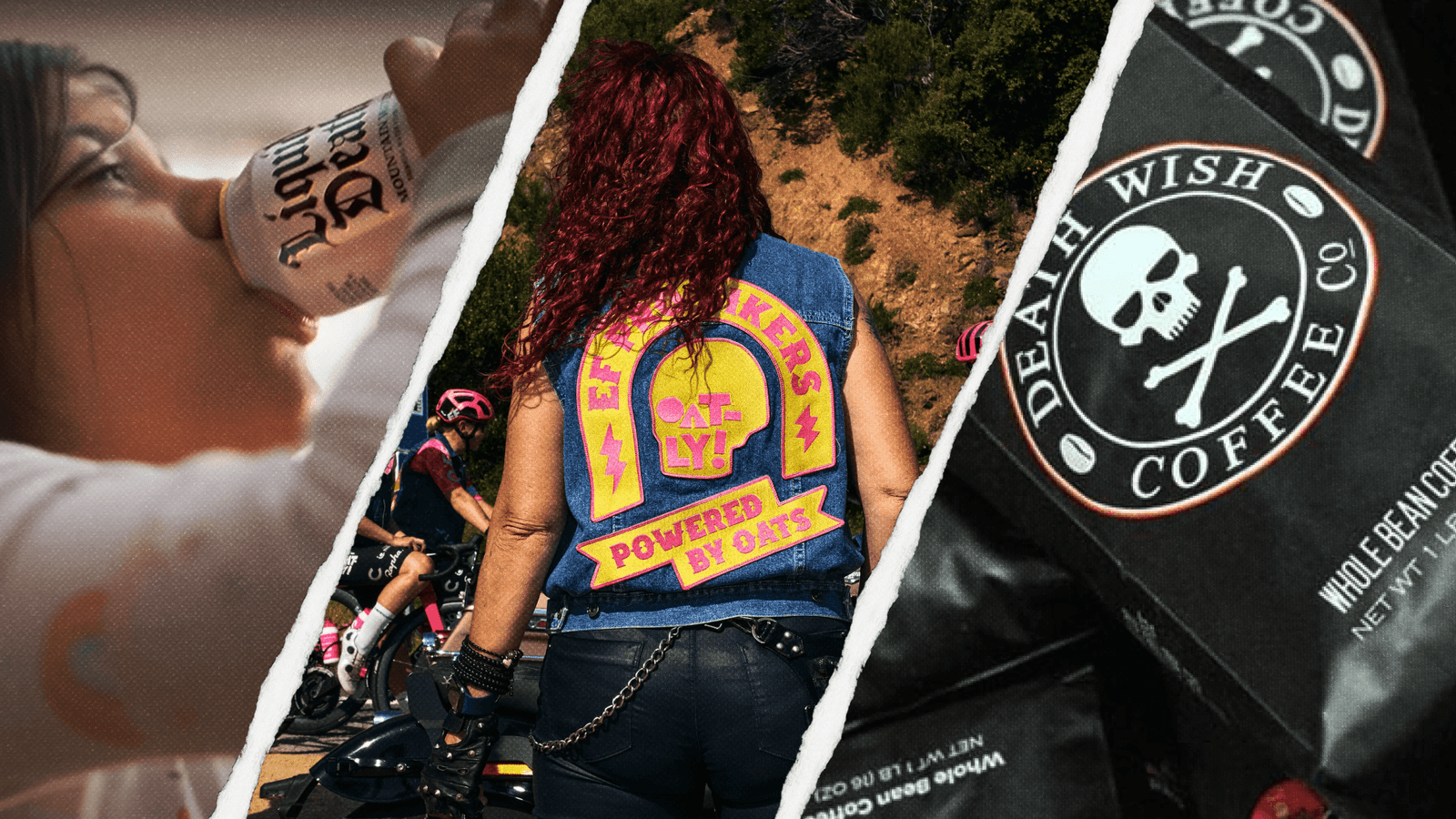
What happens if you take a product as neutral as water and give it one of the most extreme brandings on the market? Liquid Death answered that question with a black can, a name that screams rebellion, and commercials that seemed inspired by a cult film like Heavy Metal (1981). Instead of selling hydration or wellness like many of its competitors, Liquid Death decided to sell attitude. It doesn't want to seem healthy; it wants to seem dangerous. The result? A community of fans who defend it more fiercely than many fashion brands.
Because yes, selling water can be very boring. Unless you sell it like you're Ozzy Osbourne from the 80s.
Oatly: Activism that tastes like oats
Yes, Oatly sells oat milk, but it also sells a conversation. A point of view. On its packaging, you won't see photos or illustrations of happy cows grazing freely in beautiful meadows. Instead, you'll see gigantic, sarcastic copy with an activist soul. Its campaigns seem designed by a creative with a lot to say, somewhat angry, and vegan... and it's precisely because of these impulses that they manage to connect.
The differentiation is in its voice: irreverent, uncomfortable, and impossible to ignore. Oatly is a brand that isn't afraid to make people uncomfortable in pursuit of raising awareness. And while many brands plant-based they want to be sweet, soft, and harmonious. Oatly stands firm and shouts its purpose to the four winds.
Xinú: Perfumes that smell like identity
Xinú narrates territories. From its name, which means “nose” in Otomi, this Mexican perfumery brand has created a sensory proposal that smells of corn, copal, or bougainvillea. Everything—from the bottle's architecture to the olfactory notes—speaks of a contemporary Mexico that doesn't want to be recognized through clichés but rather through the beauty of invisible details.
Their differentiation isn't in an imposing discourse, but in the invitation to discover scents, memories, and belonging. Xinú doesn't impose itself, but rather reveals itself, and that's why it manages to remain.
Glossier: Unfiltered Beauty
In a reality where the cosmetics industry has made millions telling women how they should look, Glossier decided to ask them how they wanted to feel.
She built a community before a catalog. Her aesthetic is soft, her language is direct, and her communication feels more like a chat between friends than a campaign. And that, curiously, gave them a brutal competitive advantage: users became ambassadors, reviews became content, and the product became an extension of their identity.
Glossier didn't sell makeup, they sold a mirror to their users, and that truly leaves a mark.
Death Wish Coffee: “This isn't for everyone”
Are you launching a coffee brand in a world overflowing with coffee brands? Then you're going to have to say something different. Death Wish Coffee said it all with their name. “The world's strongest coffee,” they state. Their logo is a skull. Their ads look like epic movie trailers. And their community groups a mix of caffeine fanatics and dark, sleepless souls.
They bet on the extreme, on the specific, and in doing so, they became unforgettable for those who seek just that: unapologetic intensity.
To summarize... what makes a brand truly different?
After seeing these cases, we can make one thing clear: there is no exact formula, but there are shared principles.
- Do you know who you're talking to? and they don't try to please everyone.
- They have a defined personality and they are not afraid to show it.
- They dare to bother If that means being faithful to what they believe.
- They are not inspired only by what is “in fashion,”, This is where it makes sense for your story.
- They don't imitate. They translate. They reinvent. They disobey.
Being memorable isn't about having a pretty logo or a serif typeface. It's about having something to say. Something to stand up for. Something that no one else could say exactly like you.
In the end, everything has already been invented. There are already thousands of beers, perfumes, coffees, apps, and products that are too similar to each other. The real difference isn't in discovering something never seen before, but in how you decide to tell it, in the narrative you build, and in the courage to sustain it with consistency. Because being memorable isn't a matter of inventing from scratch or finding the philosopher's stone; it's about telling a story in such a way that no one can forget you.