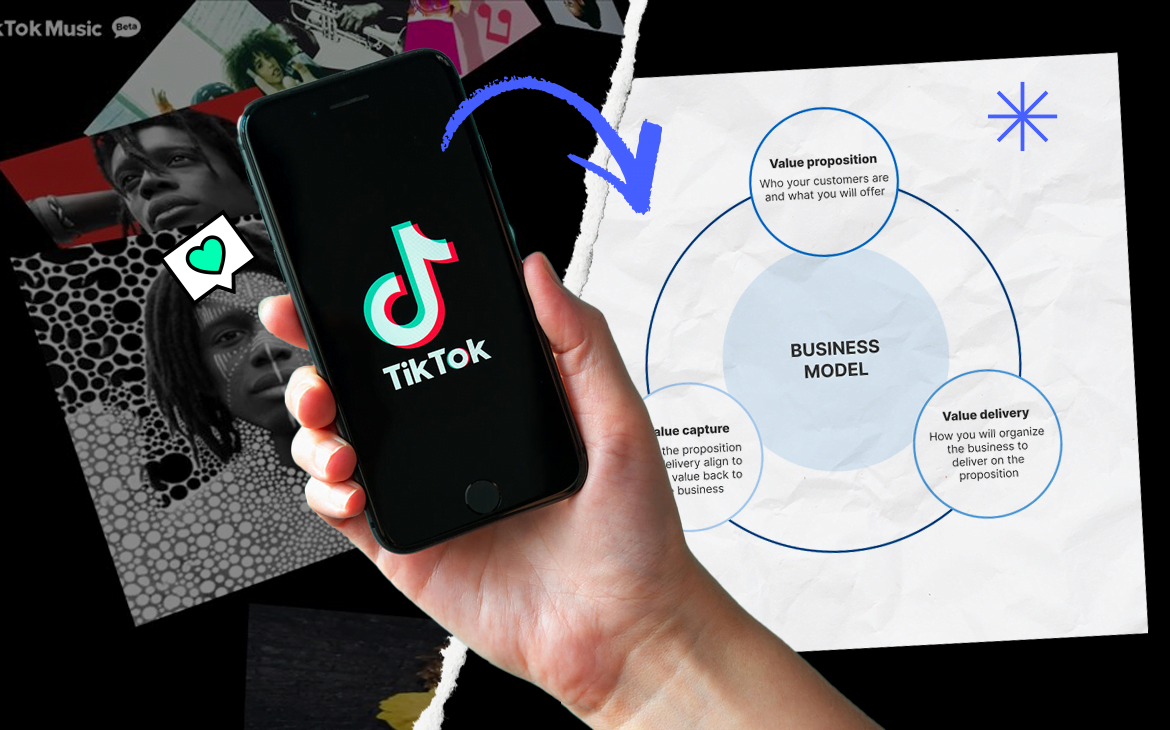
TikTok: La musa de la diversificación en Modelos de Negocio
Con más de 57 millones de seguidores mexicanos y $11 mil millones de ingresos publicitarios en 2022, TikTok se ha convertido en una de las aplicaciones más llamativas, para los usuarios, creadores de contenidos y las marcas.
Pero, ¿cómo pasamos del “a mí no me gusta, a mí me encantaaa” a ser el éxito rotundo en negocios digitales?
Lanzada en China en septiembre del 2016, bajo el nombre de Douyin, la empresa rápidamente escaló su alcance y para mayo de 2017 habría llegado al mercado norteamericano, generando un lanzamiento global y cambiando su nombre a TikTok, pero no conforme, en noviembre del mismo año adquirió la famosa app de videos musical.ly y si bien, apartir de este punto, Disney, el Pentágono y Donald Trump han sido parte de la polemica historia de esta aplicación, el crecimiento se ha mantenido y exponenciado, logando más de 1 billón de descargas en 150 países, y con una nueva meta comercial: la música.
A partir del 16 de julio de 2023, Tiktok ha puesto a disposición de algunos países (incluido México), la versión beta del que podría ser el próximo rival de Spotify y Apple Music: TikTok Music, y si bien, no es la mayor de las sorpresas, frente al impacto y relación del descubrimiento de música y la transmisión de audio que ya se realizaba por medio de la aplicación, los tan sólidos y acertados pasos para crecer y diversificar los medios de monetización se vuelven un gran tema de conversación.
Y ojo aquí, que es justo en esta diversificación la posible respuesta al éxito.
Uno de los puntos más importantes para el crecimiento y retención de usuarios dentro de los nuevos negocios digitales cae en el intrépido desafío de permitir dentro de un mismo producto, diversas combinaciones de flujo de ingresos. Como ya lo hemos visto con otras aplicaciones como Airbnb y su integración de experiencias o Meta y los diferentes modelos de publicidad, las empresas hoy nombradas “exitosas” no surgen de un solo producto o servicio, sino de la implementación de una gama de modelos comerciales que conforman y estructuran los mercados en los que operan, y sí, fue ahí donde TikTok dio en el blanco.
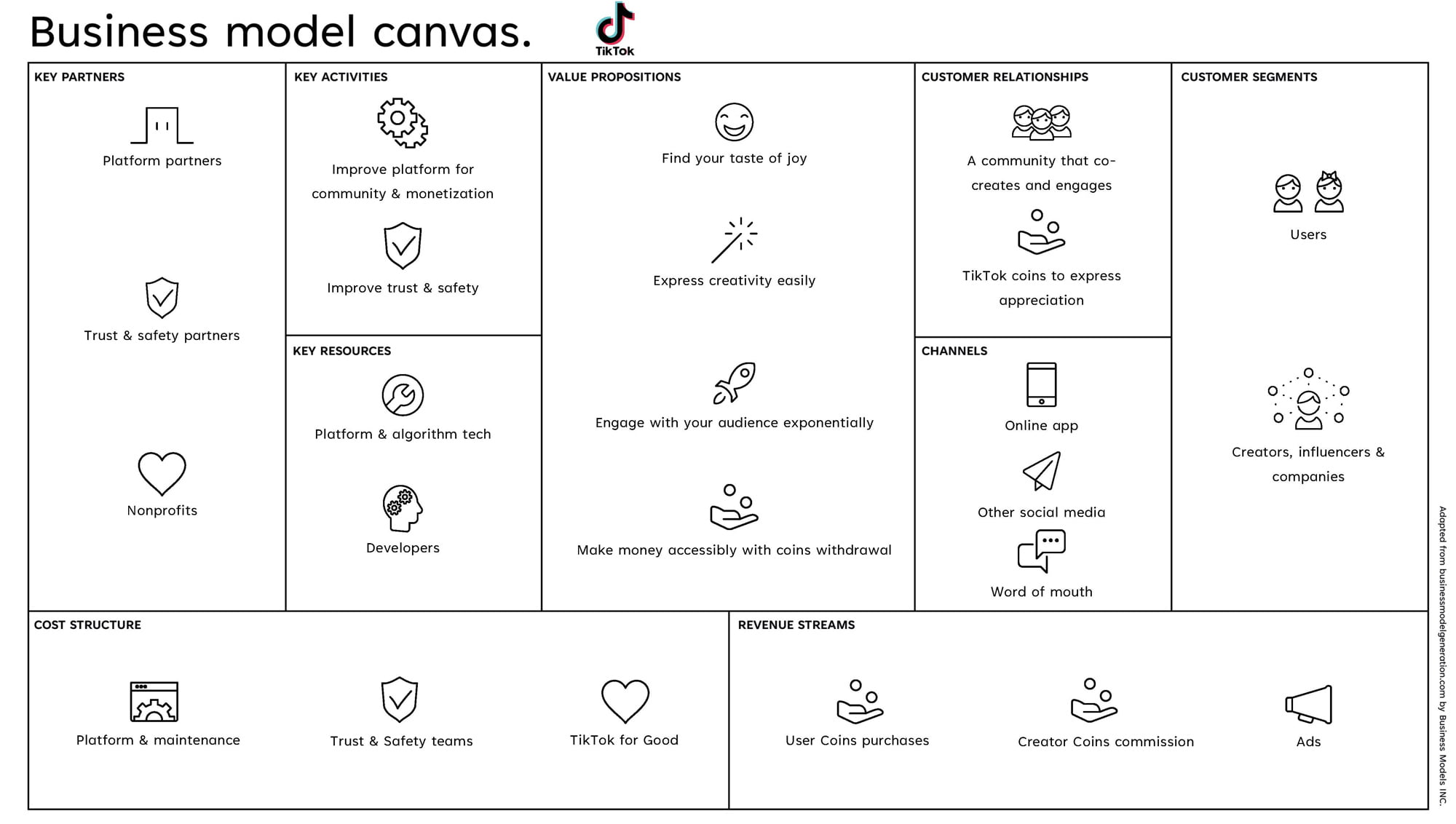
Y es que dentro de un contexto hipercompetitivo, la diversificación estratégica se ha vuelto una solución que permite relacionar las actividades, hábitos e impactos de consumo de un usuario entre negocios aparentemente aislados, de manera que la integración de los mismo aumenta el valor de la marca y mejora el rendimiento financiero de la empresa. No es casualidad que desde 2021, la súper aplicación WeChat, alcanzara los casi 68,000 millones de dólares, superando los 3 más grandes bancos chinos.
¿Que nos queda? La de siempre: escuchar a los usuarios (dentro y fuera de tu negocio), analizar y estructurar sabiamente, y ya sea por supervivencia o ambición, la diversificación puede traer más beneficios que riesgos, piénsalo: monitación independiente, garantía de rendimiento, máximo aprovechamiento de recursos, y aunque no estamos descubrien el hilo negro, saber bien en dónde poner el ojo antes de tirar la bala será clave para generar una estrategia de diversificación efectiva.