Rage Marketing: Si te choca, te engancha
Por Gibrán García
Cuenta hasta ocho: 1… 2… 3… ¿Ya te aburriste?
Son varios los medios y organizaciones que aseguran que el promedio de atención de las personas es de tan solo 8 segundos.
¿Sigues aquí?¿Regresaste a este artículo después de 1 hora de dejar la pestaña abierta?
La capacidad de atención humana ha disminuido poco a poco. Tan solo en el año 2000 era de 12 segundos, hoy es de 8.
Esto afecta todos los aspectos de la vida, especialmente las industrias del marketing y los negocios. ¿Cómo puedes captar la atención de una persona inmediatamente?
Hoy se necesita una emoción más fuerte que la curiosidad para captar nuestra atención.
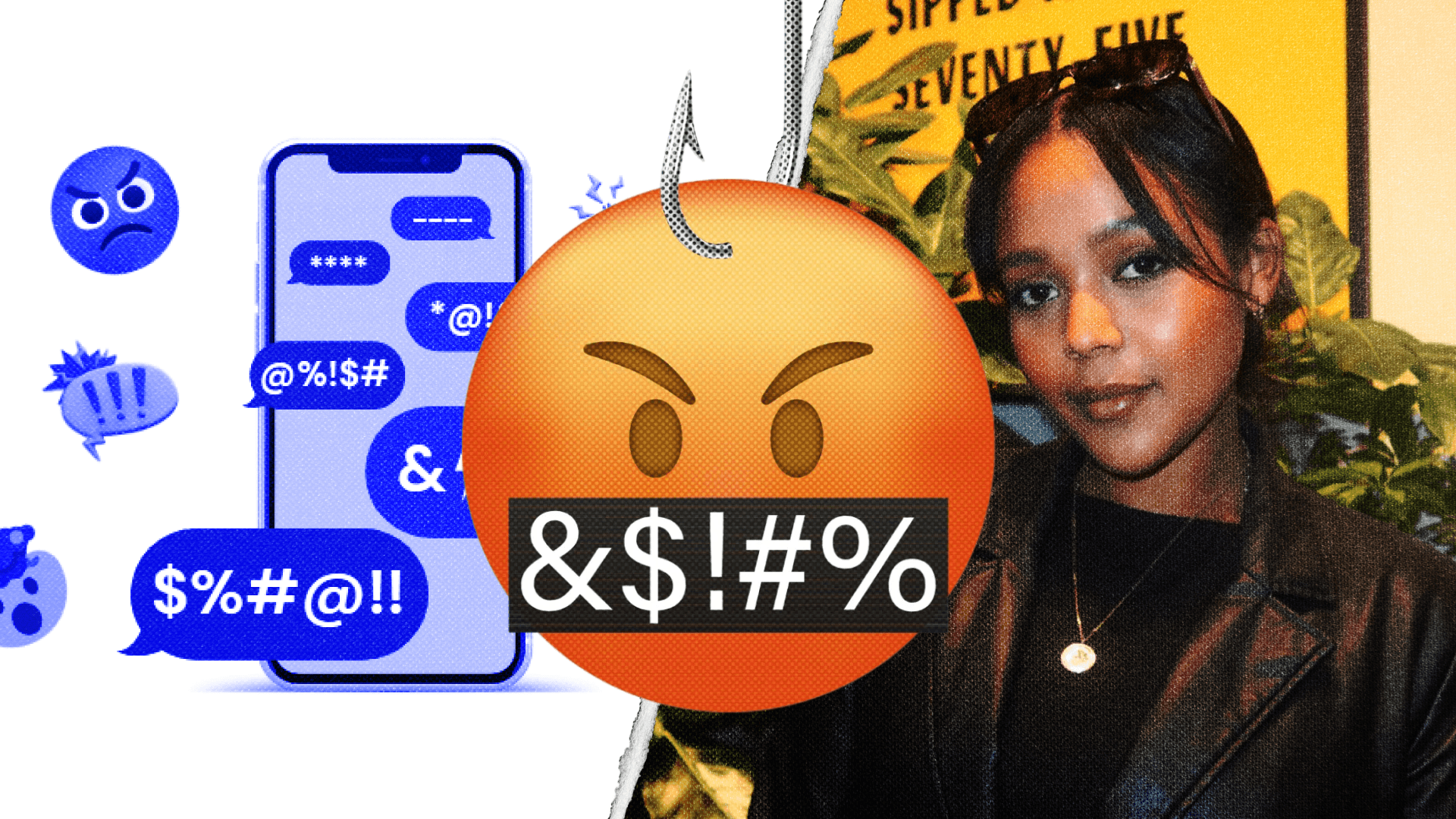
Bienvenidos a la era del Rage Baiting, donde la indignación se vuelve rentable. En un mundo donde la atención dura menos que un TikTok, el truco ya no está en generar estrategías de marketing con contenido de valor, sino hacer ruido, mucho ruido. Y si ese ruido genera odio y una guerra en los comentarios, mejor.
Las marcas lo saben. Los políticos lo saben. Los influencers lo saben. El Rage Marketing está aquí y (desgraciadamente) está aquí para quedarse.
El algoritmo no distingue entre amor y odio
Algunos creadores han encontrado la fórmula perfecta: no evitar el odio, sino abrazarlo y capitalizarlo. Los usuarios interactúan más con críticas e insultos.
En la era digital, la atención no se gana con calidad, sino con intensidad.
No importa si una publicación está repleta de comentarios negativos, ser ignorado es peor.
Existen múltiples formas de hacerlo. Algunos, como Logan Paul, convierten la controversia en una estrategia de crecimiento. Utilizan escándalos mediáticos para mantenerse en la conversación y luego se reinventan en nuevas industrias, como el boxeo o los negocios. Otros, como Nikocado Avocado, hicieron de la autodestrucción un espectáculo, generando reacciones extremas con cada nuevo video, donde su salud física y mental parecen deteriorarse frente a los ojos de millones de espectadores.
Por otro lado, figuras como Winta Zesu perfeccionaron la técnica de la provocación ideológica, al lanzar declaraciones incendiarias que garantizan que su contenido se vuelva viral, sea por apoyo o por indignación. En esta misma línea, influencers como Belle Delphine supo aprovechar el absurdo como una herramienta de shock marketing, al vender productos ridículos (como agua de baño) para provocar reacciones que inevitablemente generan engagement.
Lo más preocupante es lo que pasa con influencers con menos seguidores o que aún no alcanzan fama. Esa gente se expone a humillación y odio a cambio de unos likes.
El patrón es claro: no se trata de tener razón, se trata de generar reacción. Plataformas como X (Twitter) y TikTok amplifican esta dinámica y premian con más visibilidad a los contenidos que logran la mayor cantidad de interacciones, sin importar si estas vienen del entusiasmo o del enojo.
Mientras más extremos se vuelven estos creadores, más difícil es para el público ignorarlos. Y así, el Rage Marketing se convierte en un ciclo infinito, donde cada controversia debe superar a la anterior para seguir siendo relevante.
No hay mala publicidad. El truco está en no quemarte
El Rage Marketing es como jugar con fuego. Si sabes controlarlo, iluminas tu marca. Si te pasas, te prendes en llamas. La polémica puede ser un atajo a la viralidad, pero no todas las marcas están hechas para manejar ese nivel de intensidad. Al final de cuentas como marca es importante cuidar tu identidad porque alimentarse de la controversia impacta en la lealtad y confianza de tus clientes.
FUNCIONA SI…
- Tu marca ya es irreverente y tu audiencia espera este tipo de contenido. Si tu identidad ya es disruptiva (como lo es Balenciaga o Liquid Death), la controversia puede reforzar tu narrativa.
- Tienes un propósito detrás de la provocación. No se trata solo de molestar por molestar. Liquid Death desafía el uso del plástico, Mr. Beast convierte el espectáculo en filantropía. La indignación debe tener una razón de ser.
- Entiendes hasta dónde estirar la liga antes de romperla. Hay una línea delgada entre la provocación estratégica y el desastre de reputación. Jugar con fuego requiere precisión.
FALLA SI…
- Lo haces solo por llamar la atención. Si la polémica no está alineada con tu marca, sólo generarás ruido vacío.
- Subestimas el poder de una crisis de reputación. Si el odio se vuelve incontrolable, puedes perder la confianza de tu audiencia y quedar atrapado en una reacción que destruya tu credibilidad.
- Olvidas que el odio no siempre se convierte en ventas. La viralidad no siempre es rentable. No todas las marcas pueden monetizar el escándalo. Atención no siempre equivale a ventas.
Hacer enojar es fácil, conectar es difícil
El Rage Marketing cambió las reglas del juego. La economía digital ya no premia la calidad, sino la reacción. Y en este nuevo orden, muchos encontraron en la controversia, el cringe y el shock, su camino al éxito. Pero jugar con la indignación como estrategia no es para todos.
Sí, provocar indignación puede generar millones de vistas, comentarios o impresiones. Puede poner a una marca en boca de todos. Puede llevar a un influencer a la fama global. Pero la pregunta que pocas marcas y creadores se hacen es: ¿a qué costo?
Si bien la controversia puede hacerte tendencia, también puede hacerte irrelevante el día que la audiencia decida mover su atención a otro escándalo más grande. Y cuando tu marca o tu nombre están construidos sobre la indignación, tarde o temprano tendrás que doblar la apuesta hasta que la cuerda se rompa. Siempre en búsqueda de un escándalo más grande.
El Rage Marketing no es una solución, es un parche. Es un juego de alto riesgo donde algunos salen ganones (por un tiempo) y otros quedan atrapados en su propia humillación.
La pregunta clave es: ¿Quieres que te recuerden por lo que hiciste enojar o por el valor que aportas?
Tú decides.
¿Te gustó este análisis? En Gerundio entendemos la delgada línea entre lo audaz y lo destructivo. Si buscas una estrategia con impacto real (y no solo ruido digital), platiquemos.