Si lo puedes escribir, lo puedes ver: Hablemos de Sora, la nueva herramienta de IA
Aunque la vista es uno de los sentidos más engañosos que poseemos como seres humanos, solemos considerarla como el principal medio para distinguir lo real de lo imaginario. Sin embargo, ¿qué pasaría si, de repente, tenemos que empezar a dudar de aquello que ven nuestros propios ojos?
Por: Alan Luna
«Hasta no ver, no creer», dice el famoso refrán que considera que es sólo a través de este sentido que podemos asegurar que algo es real y no es un engaño o un invento de la imaginación. No obstante, tal vez sea hora de replantear esta afirmación, ya que nuestro entorno está cambiando rápidamente y no muestra signos de detenerse pronto.
Seguramente has escuchado hablar de OpenAI, una empresa líder en investigación y desarrollo de inteligencia artificial, fundada en 2015 por destacadas mentes como Ilya Sutskever, Andrej Karpathy, Greg Brockman y Trevor Blackwell, respaldados además por una junta directiva que incluye nombres como Sam Altman o Elon Musk. Originalmente establecida como una organización sin fines de lucro, su misión, según afirman, es asegurar que la inteligencia artificial beneficie a toda la humanidad.
En 2022, OpenAI sorprendió al mundo al desarrollar ChatGPT, un modelo de lenguaje de gran escala capaz de proporcionar respuestas detalladas y aparentemente inteligentes, convirtiéndose en un valioso aliado para todos aquellos que necesitan plasmar ideas en texto.
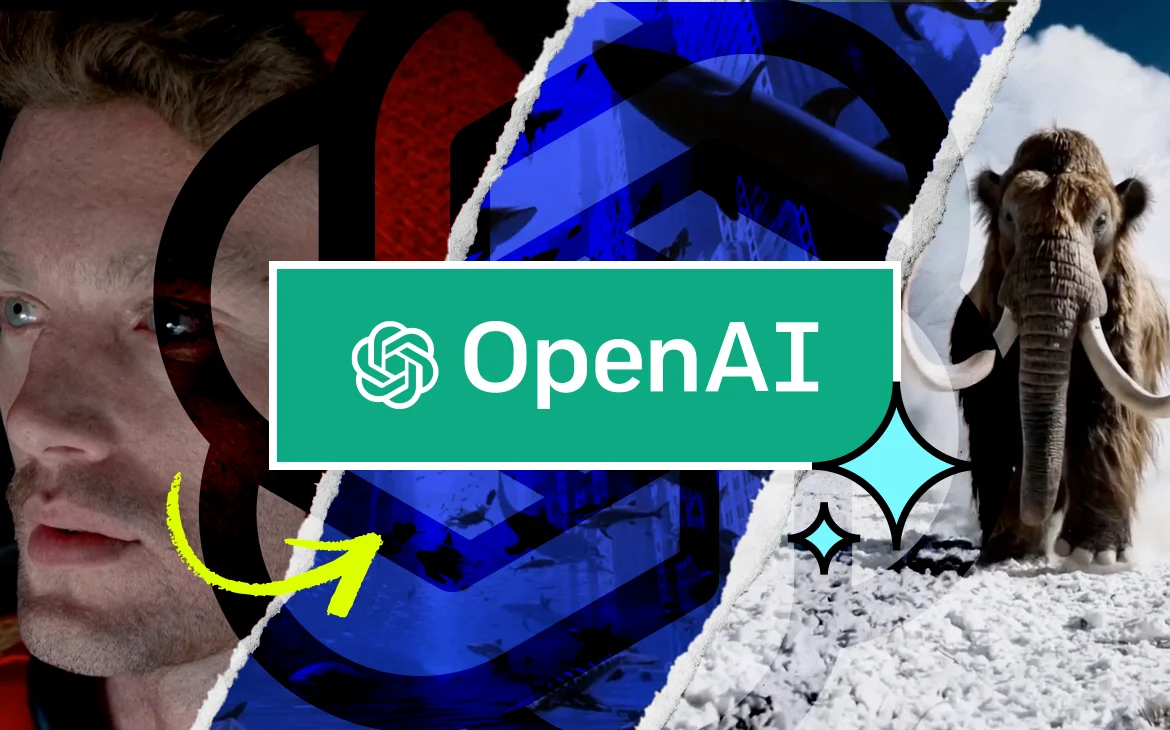
Recientemente, OpenAI ha dado un paso más con el lanzamiento de Sora, un modelo de inteligencia artificial capaz de generar imágenes en movimiento extremadamente realistas e imaginativas a partir de instrucciones de texto.
Los videos creados con Sora que han comenzado a viralizarse son alucinantes: close ups a rostros reflexivos de personas que no existen, perritos golden retriever que se divierten en la nieve, mamuts imponentes que deambulan en pantalla como lo habrían hecho cuando dominaban amplios parajes de tierra, o individuos grabando dentro de un tren y cuya imagen se ve reflejada en los cristales al mismo tiempo que distinguimos la escena fuera el vagón. Las posibilidades parecen infinitas, pero como cualquier innovación de esta magnitud, esta herramienta también plantea dilemas éticos y preocupaciones sobre su posible mal uso.
Sora tiene el potencial de revolucionar el mercado audiovisual, permitiendo a las marcas crear videos espectaculares para promocionar sus productos o ayudando a los educadores a contar historias increíbles apoyados de un sustento visual único y que atrape a los alumnos hasta lograr un aprendizaje ideal. Sin embargo, también podría ser utilizada para manipular la verdad y presentar supuestas pruebas con motivos cuestionables.
Sabemos que las redes sociales son un canal en el que suelen propagarse falsos acontecimientos y, sin un criterio adecuado, estos videos podrían empezar a alimentar los tiempos de posverdad en los que vivimos y hacer que cada vez sea más difícil distinguir lo verdadero de lo falso.
Por supuesto que Sora aún no es perfecta, pero con el rápido avance de la tecnología, es probable que pronto veamos actualizaciones que corrijan sus errores y produzcan videos que desafíen verdaderamente nuestra percepción visual.
La inteligencia artificial despierta opiniones muy diversas y apasionadas. Hay quienes la ven como el inicio del fin, y hay ciertos aspectos que podrían respaldar estas ideas. Un ejemplo de ello es un estudio publicado en enero de 2024 en el que cinco programas de IA de OpenAI, Meta y Anthropic fueron puestos al mando de países ficticios y actuaron de forma mucho más agresiva de lo que suelen hacerlo los humanos en situaciones similares.
El estudio, realizado por investigadores del Instituto de Tecnología de Georgia, la Universidad de Stanford, la Universidad Northeastern y la Hoover Wargaming and Crisis Simulation Initiative, concluía que, dados los resultados, EE. UU. y otros países deberían mantener la cautela a la hora de integrar agentes autónomos de IA en la toma de decisiones.
No obstante, otros la consideran una herramienta poderosa para transformar positivamente la forma en que trabajamos.
Recientemente, Fiverr, una plataforma que conecta a trabajadores autónomos con clientes de todo el mundo, lanzó una campaña ingeniosa con el lema «AI TOOK MY JOB», frase que se puede traducir como «la inteligencia artificial me quitó el trabajo», pero que viene complementada por un texto más pequeño que dice: «to the next level», destacando cómo la inteligencia artificial puede potenciar el trabajo humano en lugar de reemplazarlo.
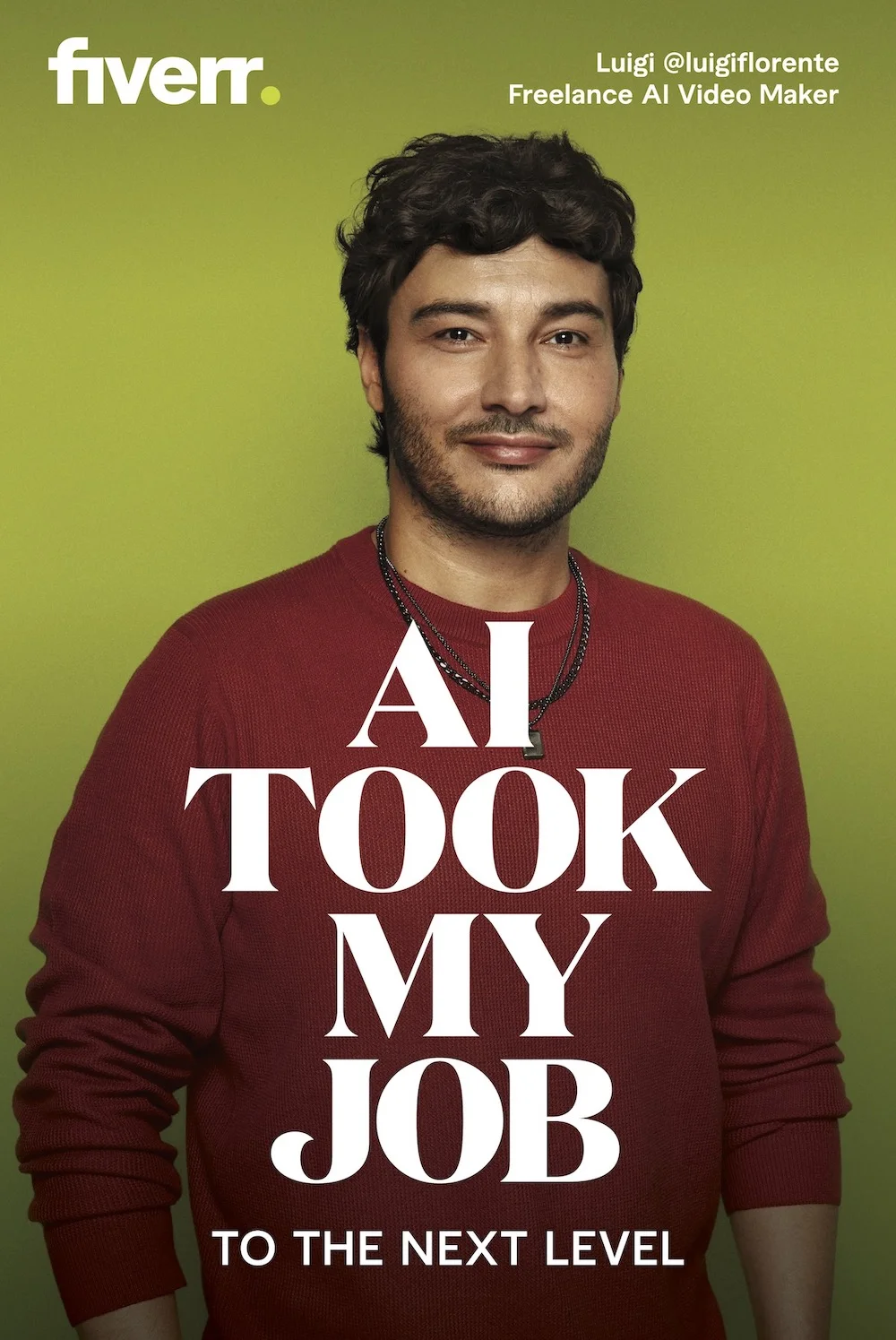
En general, lo que plantea esta campaña es que las personas tienen ese caos vibrante, imaginativo, espontáneo y lleno de vitalidad que, en conjunción con la capacidad de procesar información de la inteligencia artificial, hacen la mancuerna perfecta y pueden lograr resultados extraordinarios.
En resumen, sólo el tiempo revelará si herramientas como Sora perduran o si son rápidamente reemplazadas por nuevas innovaciones. Lo que es seguro es que esta tecnología podría ser el catalizador necesario para promover una educación visual que nos permita discernir entre lo verdadero y lo falso, y para iniciar conversaciones sobre los dilemas éticos que plantean este tipo de plataformas.
Mientras tanto, en Gerundio, continuaremos reflexionando, analizando y debatiendo sobre cómo estos avances impactan en la vida cotidiana y en la relación entre las personas y los productos digitales que las rodean.