La ilusión del mundial de fútbol: Por qué patrocinar torneos masivos no asegura la preferencia del consumidor a largo plazo
Autor: Elena Benitez, CEO & Fundadora de Gerundio.
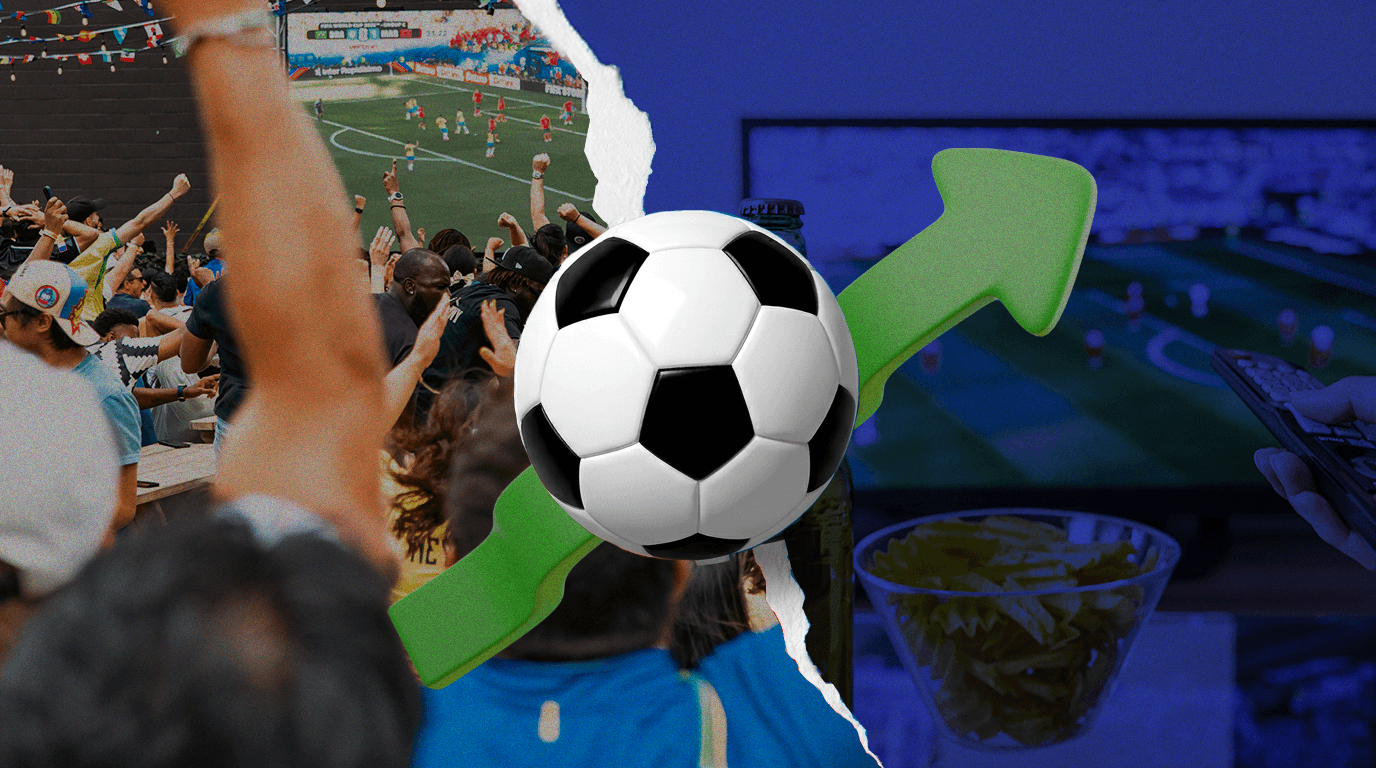
Monitorear el aumento inmediato en las ventas de cerveza, botanas o pantallas de televisión durante los noventa minutos de un partido suele confundirse con el éxito de una marca. Que la euforia colectiva del Mundial 2026 empuje a millones de mexicanos a interactuar con aplicaciones de entrega o canales de comercio electrónico representa una reacción comercial ante la coyuntura, no una métrica de fidelidad hacia el negocio. En el entorno de la mercadotecnia de consumo en México, persiste la falsa creencia de que asociar la identidad corporativa a un gran acontecimiento deportivo garantiza la relevancia en el mercado.
Esta interpretación meramente transaccional del patrocinio está distorsionando las proyecciones financieras de las organizaciones. Confundir el consumo en picos de atención masiva con la preferencia sostenida compromete los presupuestos de retención y la viabilidad del negocio a largo plazo. Cuando el torneo concluye, la pantalla se apaga y el fervor disminuye, la estructura del servicio queda al descubierto. Si una marca no construyó una experiencia fluida, el usuario regresa a sus hábitos previos; abandona la plataforma y migra hacia opciones genéricas basadas en precio o conveniencia logística.
Para consolidar un verdadero loyalty loop, las marcas de consumo masivo no deben actuar como animadores de la temporada, sino como habilitadores de soluciones integradas en la vida cotidiana de las personas. El diseño estratégico aplicado al comportamiento del consumidor tiene como objetivo transformar la emoción efímera del fan-consumidor en una pauta de adopción constante.
La trampa de evaluar el pico de atención en lugar de la permanencia relacional
La distorsión metodológica en las estrategias de activación deportiva radica en medir el éxito a través del volumen transaccional generado durante la Copa del Mundo en lugar de evaluar el impacto en el ciclo de vida extendido del cliente. Los reportes trimestrales suelen priorizar el tráfico web acumulado, las descargas de cupones digitales o la visibilidad de los anuncios publicitarios durante los encuentros de la selección mexicana. Sin embargo, estas métricas ignoran la fricción cognitiva que experimenta un usuario cuando los canales de distribución colapsan debido a la sobredemanda de la temporada.
Cuando una marca invierte millones en pautas mediáticas pero entrega una experiencia de compra accidentada, con retrasos en entregas o pasarelas de pago caídas en pleno partido, el servicio digital amplifica la frustración del consumidor. Monitorear el nivel de awareness alcanzado en lugar de evaluar si el canal resolvió la necesidad del usuario con precisión operativa es un error severo de visión directiva. El impacto de este descuido se refleja en las semanas posteriores al torneo: las tasas de desinstalación de aplicaciones se disparan y la inversión publicitaria se diluye sin dejar un activo de negocio real.
La auténtica lealtad de marca en deportes no se compra adquiriendo los derechos de uso de un logotipo oficial; se consolida cuando la infraestructura operativa de la compañía valida la confianza depositada por el cliente bajo presión. Tratar los retrasos en las entregas o los errores de stock durante la temporada como fallas de logística inevitables es una miopía financiera profunda. En esta categoría, el mal diseño del servicio genera un abandono silencioso que destruye de manera acelerada el Customer Lifetime Value (LTV).
[ Enfoque Tradicional (Activación Efímera) ] —> Tracción alta por el evento —> Fricción operativa oculta —> Pérdida del usuario (Churn)
[ Enfoque Gerundio (CX de Alta Demanda) ] —> Infraestructura predecible —> Fidelización duradera —> Crecimiento del LTV
El enfoque Gerundio: El comportamiento deportivo como modelo de relación continua
En Gerundio entendemos que el diseño estratégico no busca generar campañas creativas que capturen el entusiasmo del momento, sino ayudar a los líderes de marketing y operaciones a tomar mejores decisiones analizando el negocio, el contexto y las personas. Por ello, abordamos los patrones de lealtad deportiva desde la perspectiva de la permanencia y el entendimiento profundo de los hábitos grupales en entornos de consumo masivo.
La lealtad de marca en deportes es el resultado de un sistema de relación estratégico estructurado de extremo a extremo, diseñado para absorber picos extremos de demanda sin generar fricción, asegurando que el servicio prestado durante los momentos de alta atención se traduzca en una adopción de uso cotidiana e independiente de los eventos del calendario.
Bajo nuestra metodología de trabajo, los arquetipos de comportamiento del fan-consumidor no se definen por el equipo al que apoyan o la cantidad de partidos que sintonizan, sino por sus hábitos de compra colectiva y su tolerancia a las barreras operativas. Cuando trazamos mapas de servicio para empresas que enfrentan picos de demanda, alineamos los procesos tecnológicos internos con las necesidades emocionales y de tiempo del usuario. Cuando logramos que el suministro de un producto o la respuesta de una plataforma digital sea transparente y predictiva, la preferencia se convierte en un hábito continuo, logrando un estado de engagement silencioso blindado contra competidores reactivos.
Tres principios de diseño de servicios para el consumo masivo de alta demanda
Para implementar sistemas de interacción digitales y físicos que aseguren una adopción sostenida más allá de las temporalidades deportivas, las empresas de consumo y entretenimiento deben reconfigurar su CX bajo los siguientes lineamientos:
1. Diseñar para mitigar la fricción operativa en los momentos de mayor saturación
La confianza del consumidor decae ante la inestabilidad de las plataformas durante los eventos críticos. Un enfoque estratégico exige optimizar las interfaces bajo principios de simplicidad absoluta, permitiendo que las transacciones recurrentes se completen con el menor número de interrupciones posibles. Diseñar sistemas capaces de mantener la predictibilidad cuando el volumen de usuarios se multiplica es el pilar fundamental para prevenir el abandono de la marca.
2. Convertir el contexto del evento en un punto de partida para interacciones permanentes
La interacción de la marca con el usuario no debe concluir cuando termina la transmisión del partido. Las marcas deben utilizar los datos limpios capturados durante los picos de atención para personalizar la oferta de servicios en los meses siguientes, transformando el consumo masivo en una conversación continua. Estructurar este seguimiento mediante propuestas de valor útiles y cotidianas evita que el cliente asocie a la empresa únicamente con una temporada específica del año.
3. Implementar protocolos de recuperación de experiencia ante fallas logísticas inevitables
En entornos de demanda extrema, los imprevistos suceden; sin embargo, la lealtad se define por la forma en que la organización responde ante la eventualidad. Desarrollar flujos automatizados de compensación o canales de asistencia proactiva que actúen de inmediato cuando un envío se retrasa o un servicio falla transforma una mala experiencia en una demostración de empatía operativa. Esta capacidad de respuesta construye lealtad emocional donde las estrategias tradicionales solo ofrecen disculpas genéricas.
Diseñar para la realidad del consumidor mexicano en el escenario del Mundial 2026
Implementar soluciones de negocio con rigor metodológico exige comprender el contexto socioeconómico y las particularidades de la infraestructura digital en México. En el marco del Mundial 2026, donde el país compartirá la atención global y el ecosistema de comercio electrónico alcanzará niveles récord de adopción, el diseño de la experiencia del cliente (CX) se consolida como el verdadero diferenciador competitivo. Las empresas líderes no pueden confiar su reputación corporativa a las agencias creativas tradicionales; deben blindar sus cadenas de servicio para garantizar que cada interacción cumpla con la promesa de marca bajo cualquier circunstancia.
El valor estratégico de estructurar un sistema de relación robusto radica en su capacidad para generar ventajas financieras permanentes a partir de inversiones estacionales. Al simplificar los flujos digitales y anticipar los cuellos de botella mediante metodologías de diseño end-to-end, las organizaciones reducen los costos de soporte y mitigan los riesgos de deserción temprana (churn prevention). Esto transforma las activaciones de marketing de un gasto efímero en un motor de rentabilidad a largo plazo. En Gerundio mantenemos un enfoque claro: las mejores decisiones comerciales son aquellas que entienden el contexto operativo del negocio y respetan el estilo de vida de las personas.