Accesibilidad a las plataformas
Por: Lizbet Tirado
En el mundo actual, donde la tecnología digital juega un papel fundamental en la vida cotidiana de millones de personas, la accesibilidad a las plataformas digitales se ha convertido en un aspecto crucial de la inclusión y la igualdad. Desde la comunicación hasta el acceso a servicios vitales, como la educación y la atención médica, las plataformas en línea son gran parte de nuestro día a día.
¿Por qué es tán importante la accesibilidad digital?
La accesibilidad digital se refiere a la práctica de diseñar y desarrollar tecnologías digitales de manera que sean utilizables por todas las personas, es clave porque permite que todos puedan tener las mismas oportunidades y sentirse incluidos en la comunidad en línea. Cuando las páginas web son accesibles, las personas con discapacidades pueden formar parte activa de la vida digital, encontrar la información que necesitan, conectar con otros y aportar su granito de arena en diferentes áreas. Cuando hablamos de discapacidades, estamos hablando de diferentes niveles de problemas de visión o audición, dificultades para moverse bien debido a problemas motores, problemas de aprendizaje causados por problemas cognitivos u otros similares. Es por eso que la accesibilidad digital es muy importante para mejorar la interacción de todos los usuarios. Y también, desde la perspectiva empresarial, una experiencia mejorada se traduce en un posicionamiento orgánico más alto, una marca más sólida y una mayor tasa de conversiones.
¿Cuáles podrían ser los tipos de accesibilidad digital?
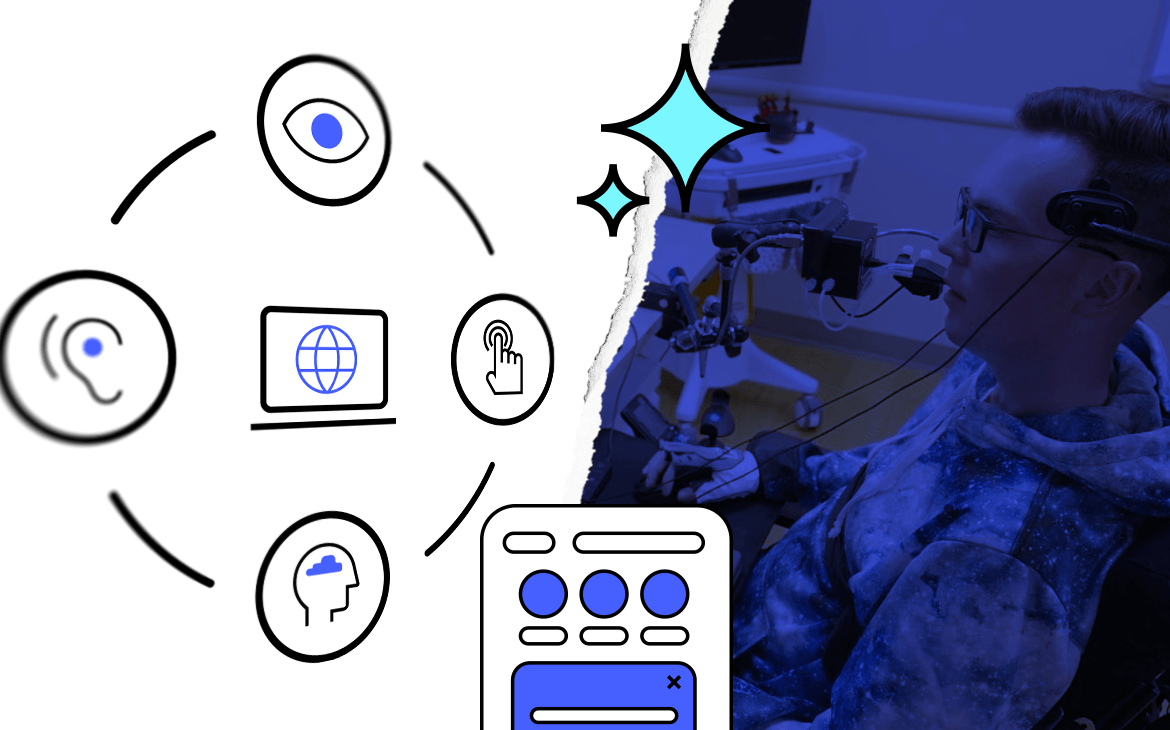
Accesibilidad sensorial: Este tipo de accesibilidad hace que sea más fácil para personas con problemas de visión y audición.
Por ejemplo, si alguien tiene problemas de vista, puede usar teclados especiales, aumentar el tamaño de la pantalla, navegar por voz o utilizar lectores de pantalla. Y si alguien tiene daltonismo u otras dificultades visuales, deberían poder ajustar cosas como el contraste o la saturación, o incluso cambiar la web a blanco y negro si lo necesitan.
Accesibilidad física: En este caso, estamos hablando de personas con algún tipo de dificultad física, ya sea porque les falta alguna parte del cuerpo o porque esta no funciona bien del todo.
Por ejemplo, hay quienes tienen problemas para moverse, como aquellos con lesiones en la médula espinal, o que tienen dificultades para usar las manos. Gracias a la tecnología, hay soluciones chulas disponibles, como esos aparatos que te dejan mover el cursor con la cabeza, o programas que te dejan dictar por voz en lugar de escribir.
Accesibilidad cognitiva: Cuando hablamos de accesibilidad cognitiva, nos referimos a la dificultad que algunas personas tienen para aprender y comunicarse. Personas con Síndrome de Down, dislexia, TDAH o incluso personas mayores. Todos ellos son usuarios a los que debemos prestar atención.
Podríamos hacer las cosas más sencillas utilizando textos fáciles de entender y bien organizados. También podríamos ponerle énfasis a los títulos y enlaces importantes, y dar un poco más de tiempo para interactuar con la pantalla si es necesario.
Teniendo claro dónde y cómo implementar la accesibilidad, podemos ver cómo eso podría ayudar a los usuarios:
Hacer tu página web más accesible es una jugada inteligente por varias razones. Primero, estás abriendo las puertas a personas con diferentes tipos de discapacidades, permitiendo navegar y usar tu sitio sin problemas. Además, al hacerlo, estás ampliando tu audiencia, llegando a personas que antes no podían acceder a tu web.
Esto te da una ventaja sobre tu competencia, que puede que aún no esté pensando en estos usuarios. También, mejorar la accesibilidad puede impulsar tu posicionamiento en los motores de búsqueda, ya que los algoritmos valoran los sitios que son más inclusivos.
No olvidemos que la imagen de marca se ve reforzada al mostrar preocupación por la diversidad de usuarios. Al crear una página web accesible, estás construyendo una experiencia más simple y fácil de entender para todos.
Al final, todo esto contribuye a aumentar la lealtad hacia tu marca y a consolidar tu credibilidad en el mercado. Además, al apoyar la inclusión social, estás fortaleciendo tu autoridad y tu posición como una empresa responsable y consciente.
En resumen, como diseñadores de experiencia de usuario, tenemos un papel crucial en hacer que las plataformas digitales sean accesibles para todos. No solo se trata de cumplir con estándares éticos, sino también de entender cómo afecta la imagen de la empresa y la experiencia del usuario. Al final del día, integrar la accesibilidad en nuestro diseño no solo nos ayuda a construir una mejor reputación para la empresa, sino que también cumple con nuestra responsabilidad de hacer la vida digital más amigable y accesible para todos.
A través de herramientas como las pruebas de usabilidad y el diseño iterativo, en Gerundio podemos hacer que la experiencia de usuario de tus clientes sea más agradable e inclusiva.