Loops: nuevos modelos de adquisición
Tenemos que admitirlo. Las redes sociales cambiaron al planeta. Facebook, Instagram, Twitter y ahora TikTok transformaron nuestra forma de consumir, ya no solo información, sino también productos y servicios. Desde su creación, muchas cosas se han modificado siendo, quizá, la más significativa la de los modelos de adquisición.
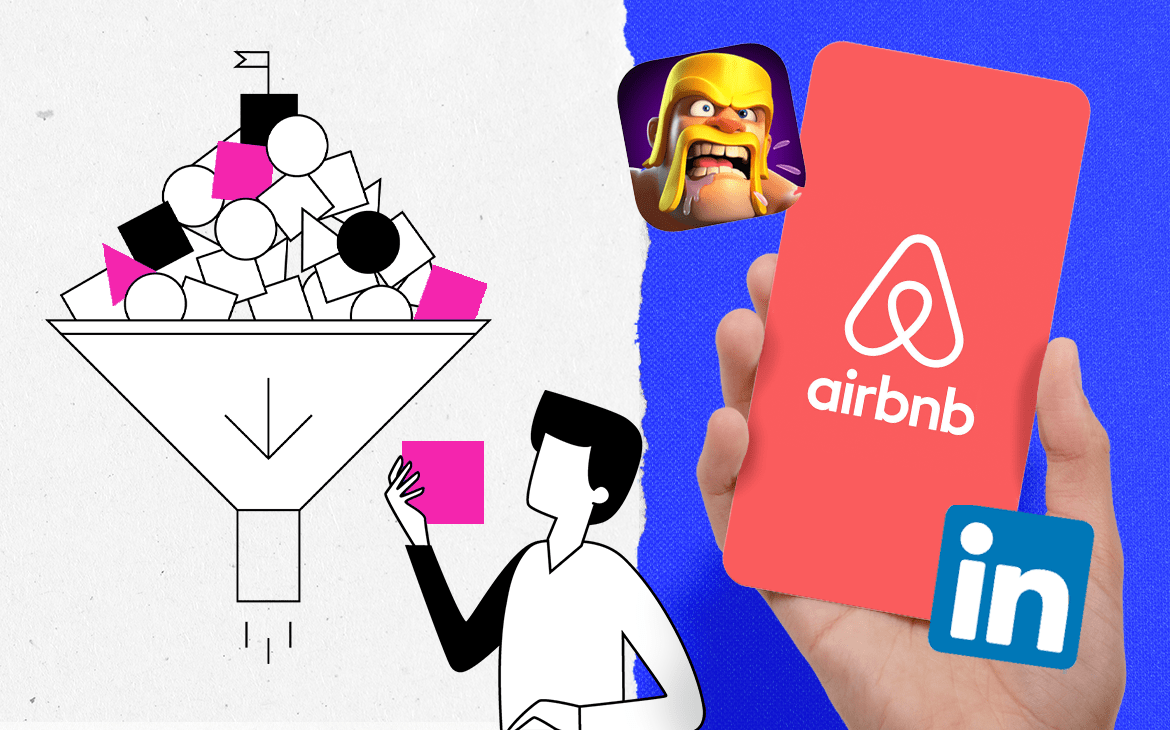
Hasta hace unos tres años, el gran descubrimiento del modelo de adquisición era un funnel. El célebre embudo de ventas que representaba el camino que los usuarios recorrían para llegar a comprar tu producto y luego fidelizarse con la marca.
El enorme problema que este modelo significaba al interior de las empresas es que filtraba a los usuarios por porcentajes de conversión. Una métrica que provocaba que cada área de la organización se hiciera cargo solo de una parte del funnel y que por tanto no tuvieras manera de cruzar datos. Así, cada área trabajaba con sus propias metas, impactando las de otras áreas, pero sin poder avisarles de este impacto.
Gracias a todo esto surgió un nuevo modelo de crecimiento y adquisición: el loop, un modelo que tiene entre 1 y 4 pasos donde la repetición de estos es la constante, de ahí su nombre. En él se integran varias áreas al mismo tiempo y no se brinca la responsabilidad de una a otra.
Existen diferentes modelos de loop dependiendo del objetivo o la manera en que se llevará a cabo. Por ejemplo, Hubspot tiene un loop enfocado al inbound el cual se llama Closed Loop Marketing y trabaja en estrechar las relaciones entre los usuarios y la marca.
Hay marcas como AirBnb que combinan loops de viralidad (donde trabajan con cómo comparten la experiencia sus influencers), de paid marketing y de contenido generado por el usuario. Otras como LinkedIn que agrega a estos loops uno enfocado a ventas de tipo B2B.
Sumar varios loops a tu campaña es lo ideal, ya que te produce un modelo integral donde terminas involucrando más a los usuarios para que te ayuden a generar compras. A su vez, el modelo integral implica ir probando y ajustando cada loop, midiendo no sólo a tus usuarios sino también a tu equipo interno para mejorar sus tiempos de respuesta.
Finalmente, en estos dos últimos elementos están el principal beneficio y desafío que afrontan los nuevos modelos de adquisición. Por un lado, tardas menos en llegar a tus metas, mientras por otro te encuentras con la resistencia de varias áreas a trabajar en equipo y compartir información. En Gerundio lo hemos comprobado, por eso sumamos este modelo de negocio a nuestro día a día, incorporando nuestros diferentes perfiles a las distintas etapas de los proyectos, para que todos podamos conocer el proceso que una marca persigue y todos podamos trabajar hacia la misma meta.
Conoce cómo podemos implementar también este modelo de adquisición a tu negocio. Escríbenos aquí.