Max otra vez es HBO Max: Cuando la marca y el negocio no tienen los mismos objetivos
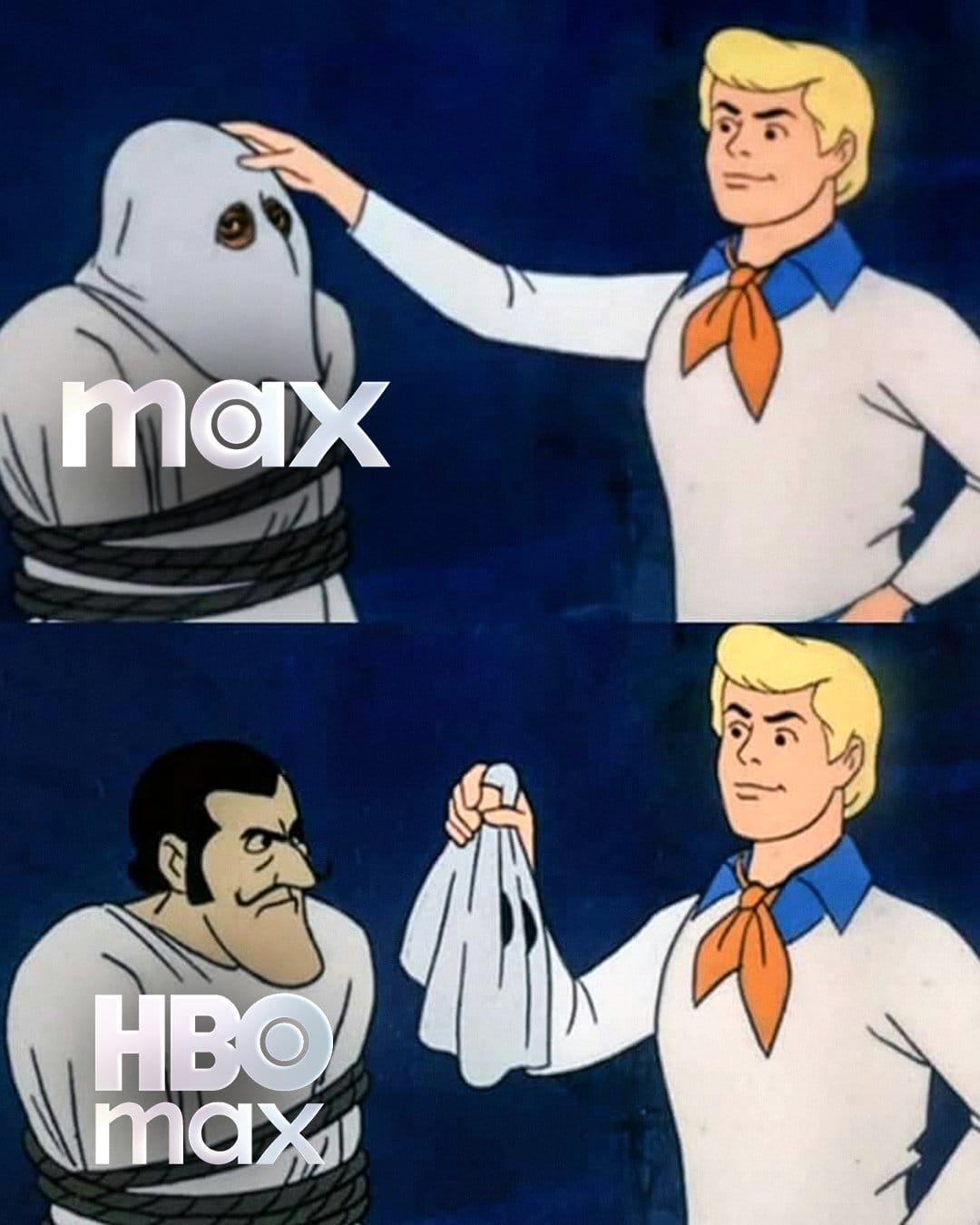
«No te hagas, nunca dejaste de llamarnos HBO Max.» Así abría el correo con el que Warner Bros. Discovery anunció que el servicio de streaming volvería a usar su nombre original. Acompañado de memes, gifs y referencias culturales, el anuncio parecía más un “mea culpa” milenial que un comunicado corporativo. Y, honestamente, funcionó.
Por Eduardo Gutiérrez
En 2022, tras la fusión entre WarnerMedia y Discovery, nació una nueva estrategia para el portafolio de contenidos. Una estrategia pensada para competir con Netflix y Disney+, integrar lo mejor de ambos mundos (el prestigio de HBO y el volumen de Discovery), y, de paso, simplificar el nombre del servicio. Así nació «Max»: más corto, más genérico, más amplio.
Desde el punto de vista del negocio, la lógica era clara: crecer, sumar públicos, no asustar a nadie con una marca que algunos pudieran percibir como “demasiado sofisticada” o “demasiado seria”. Pero desde el punto de vista de marca, algo se rompió. ¿Qué fue?
La tensión entre lo que conviene y lo que conecta
La decisión de renombrar HBO Max como Max no fue un capricho. Respondía a una visión real: ampliar la base de usuarios y reflejar una oferta más variada, producto de la fusión. En términos de arquitectura de marca, implicó deshacerse del co-driver “HBO” para quedarse solo con el sufijo, “Max”, que pudiera aglutinar todo el portafolio de contenidos.
El problema fue que, en esa transición, se sacrificó uno de los activos más poderoso del producto: su nombre. HBO no era solo un canal; era una promesa de calidad, una referencia cultural, un sello. Quitarlo del título fue quitarle el corazón a la marca. Y eso no se compensa con más variedad de contenidos.
Y, lo más importante, ya tenía el reconocimiento de los usuarios. No por nada, como atinadamente decía su correo, “nunca dejamos de llamarlos HBO Max”.
El usuario también vota (y genera conversación)
El público no tardó en reaccionar inundando de memes y publicaciones las redes sociales. Max generó confusión, diluyó el posicionamiento, y rompió un vínculo emocional que había tardado años en construirse.
Cuando HBO Max anunció su regreso, no solo corrigió una decisión de naming: reconoció que las marcas no son solo vehículos de negocio, sino también organismos vivos que respiran en la cultura y en la mente de sus usuarios.
La campaña de regreso, con humor y autocrítica, no fue solo divertida. Fue una forma inteligente de reconciliación. Un mensaje que decía: “entendimos, nos equivocamos, aquí estamos de nuevo”.
No fue un fracaso. Fue una corrección a tiempo
Más que un fail de marca, este caso es el ejemplo de una empresa que supo reconocer cuándo una decisión estratégica se desconectó de su identidad y que supo enmendar el rumbo antes de perder por completo el capital simbólico que había construido.
Porque sí: las decisiones de negocio a veces exigen compromisos incómodos. Pero las marcas no pueden permitirse olvidar lo que las hizo relevantes en primer lugar. El verdadero valor está en saber escuchar, no solo al mercado, sino a la cultura que te rodea.
En Gerundio, creemos que las marcas no se definen en un rebranding. Se construyen en la coherencia entre lo que haces, lo que dices y lo que representas. Y que, como HBO Max, también se fortalecen cuando son capaces de decir: «me equivoqué».
Volver al nombre original no fue retroceder. Fue volver a conectar.