Invisible pero contundente: cuando una “anticampañas” dice más que una campaña
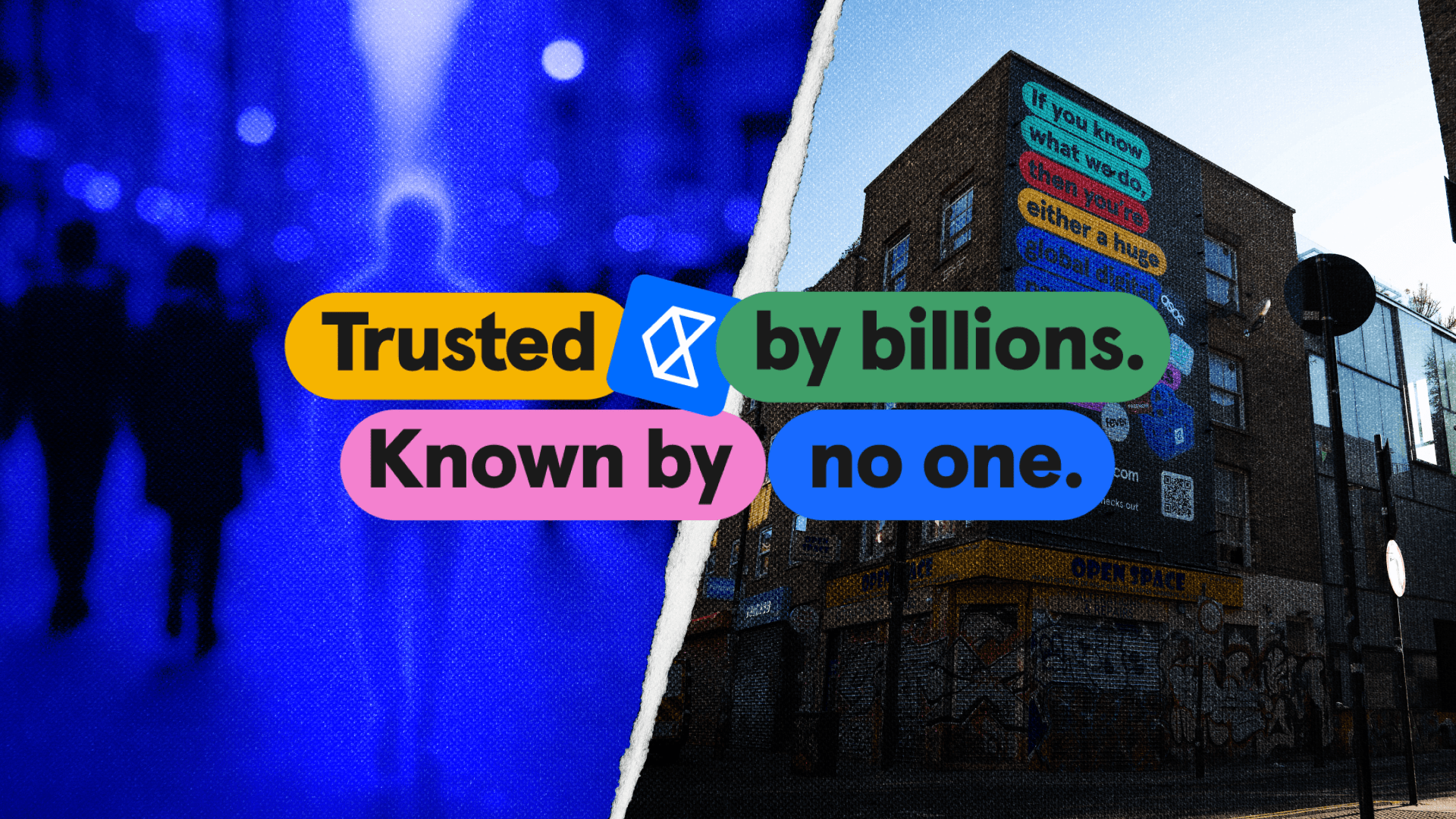
Hay campañas publicitarias que te hablan directo. Otras que te gritan. Y hay otras que hablan más bajito, pero de alguna manera te obligan a voltear. Eso hizo Checkout.com: una marca B2B que decidió meterse en el espacio B2C; no para venderte nada, sino para recordarte que están ahí aunque no lo notes.
Por Eduardo Gutiérrez
Hemos escuchado sobre la diferencia fundamental entre la comunicación B2C y la comunicación B2B. Dos mundos separados por una línea cada vez más difusa. Esta vez fue Checkout.com quien decidió cruzarla, y lo hizo a través de una campaña que podría parecer irrelevante para su audiencia natural (empresas que procesan pagos), pero que, de manera inteligente, apunta justo a quienes toman las decisiones dentro de esas empresas. Personas que están, como todos, en la calle, en el metro, en las redes.
Su nueva campaña parte de una idea poderosa: hay cosas que, cuando nadie las nota, es porque están funcionando. Una tecnología silenciosa, constante, que no busca protagonismo pero que es esencial para que otras empresas brillen.

Lo que vende Checkout no es reconocimiento masivo: es confianza, eficiencia, solidez. Se están posicionando como la tecnología que opera en las sombras para que otras empresas puedan brillar en el escenario.
El mensaje de la campaña es potente, pero también hay algo muy interesante en la forma de contarlo.
Checkout está haciendo algo que muchas marcas B2B deberían estar siguiendo de cerquita: está utilizando los medios y formatos del B2C para llegar a una audiencia empresarial. Entregando su mensaje a las y los tomadores de decisiones dentro de las empresas, quienes, cuando llegue el momento de elegir una plataforma, probablemente recordarán esta campaña.
Checkout no está intentando explicar lo que hace. Está diciendo lo que es: una marca que entiende su rol y lo comunica con claridad y convicción.
Hay algo muy estratégico en decidir no competir por la atención. Checkout no te quiere convencer de nada en este instante, no está intentando empujarte a visitar su sitio ni a contratar sus servicios ya. Lo que quiere es quedarse en tu mente como la opción confiable, la que no interrumpe, la que está ahí cuando se le necesita.
Es un posicionamiento que no se construye a partir de beneficios funcionales ni promesas rimbombantes, sino con una idea simple: “Si no tienes que pensar en nosotros, es porque todo está saliendo bien.”
Hablar como marca no se trata solo de contarle a tus audiencias lo que haces. A veces, se construye desde lo que decides no decir. Desde lo que omites, lo que ironizas, lo que pones en duda. Es ahí donde muchas veces vive la diferencia.
Hoy más que nunca, es fundamental que las marcas definan lo que son y lo que representan. Pero también lo que no son. Renunciar a aquello que muchos buscan (en este caso, la visibilidad) es una decisión valiente y, a mi parecer, muy efectiva.
Al final, las marcas que se construyen con estrategia no necesitan levantar la voz para hacerse notar. A veces basta con decir lo justo, en el momento correcto, a la persona adecuada. Y eso es lo que hace tan potente esta campaña: que entiende que, en un mundo cada vez más saturado de estímulos, el verdadero reto no es gritar más fuerte, sino decir algo distinto.
Si quieres construir una marca que entienda lo que es, pero también lo que no es, escríbenos. En Gerundio sabemos que a veces las mejores ideas no son las que se ven, sino las que funcionan.