
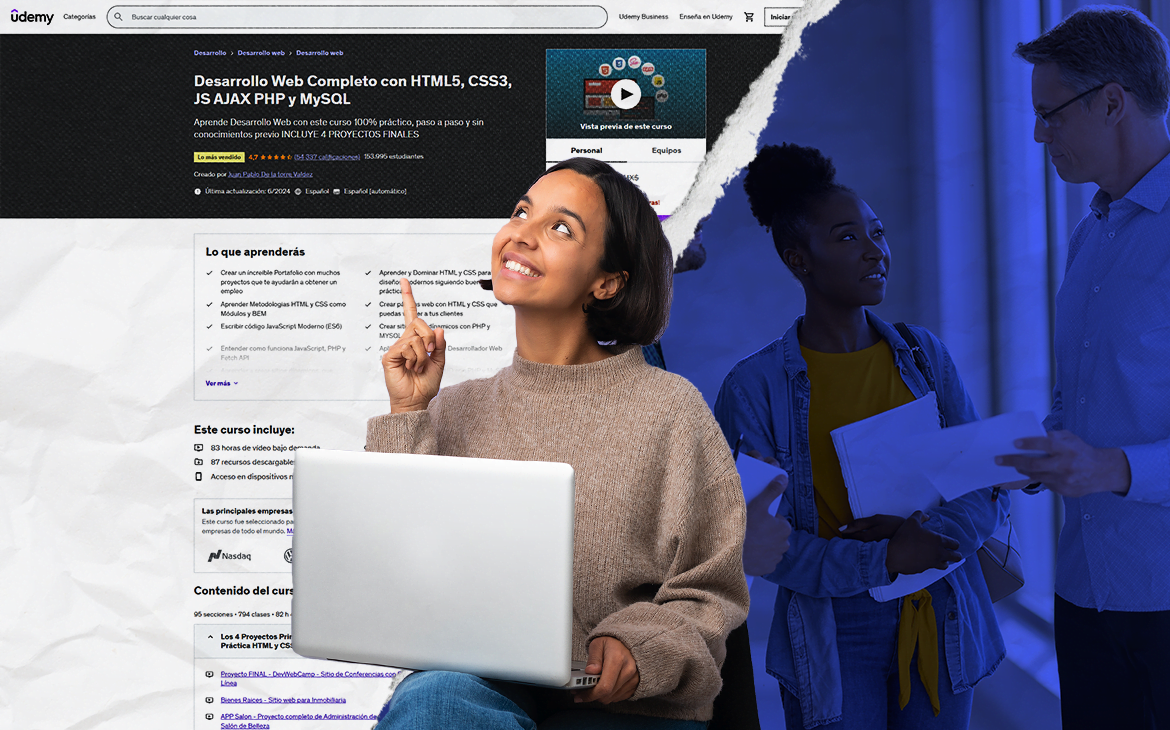
¿Cómo acceden a la educación en México?
Por: Alan Luna
El comportamiento del consumidor mexicano en el ámbito educativo ha experimentado cambios significativos en los últimos años, impulsados por la digitalización, la globalización y eventos como la pandemia de COVID-19. Estos factores han transformado las preferencias y hábitos de los mexicanos en cuanto a la adquisición de educación y desarrollo profesional. A continuación, se presentan las tendencias y análisis más recientes sobre este tema.
Crecimiento de la Educación en Línea
La educación en línea en México ha visto un crecimiento notable. Según nuestro informe ‘Descifrando las nuevas formas de aprender’, la pandemia de COVID-19 actuó como un catalizador que aumentó la confianza en esta modalidad educativa. Antes de la pandemia, la educación en línea representaba aproximadamente un tercio de la educación superior; sin embargo, este porcentaje aumentó significativamente durante el confinamiento.
Preferencias del consumidor en línea
1. Flexibilidad y accesibilidad: Uno de los principales atractivos de la educación en línea es la flexibilidad que ofrece. Los consumidores valoran poder aprender a su propio ritmo y en horarios que se ajusten a sus agendas personales y profesionales. Esto es especialmente relevante para aquellos que combinan sus estudios con compromisos laborales.
2. Calidad y actualización de contenidos: Los consumidores buscan programas de alta calidad, con contenido actualizado y recursos efectivos de aprendizaje. La posibilidad de acceder a cursos impartidos por instituciones prestigiosas como Harvard, MIT y Stanford a través de plataformas como Coursera y edX ha democratizado el acceso a la educación de calidad.
3. Interacción y comunidad: A pesar de la preferencia por la flexibilidad, los estudiantes también valoran la interacción en tiempo real con profesores y compañeros. Las clases en vivo son particularmente populares porque permiten resolver dudas y crear una comunidad de aprendizaje.
¿Qué tendencias podemos ver emergiendo?
1. Microaprendizaje y aprendizaje adaptativo: La tendencia hacia el microaprendizaje, que ofrece contenido en pequeñas unidades fáciles de consumir, está ganando popularidad. Además, el aprendizaje adaptativo, que personaliza el contenido según el ritmo y estilo de aprendizaje del estudiante, se está convirtiendo en una herramienta esencial para mejorar la eficiencia educativo.
2. Sostenibilidad y responsabilidad social: Los consumidores mexicanos están cada vez más conscientes de la sostenibilidad y prefieren productos y servicios que minimicen el impacto ambiental. En educación, esto se traduce en la preferencia por instituciones y plataformas que promuevan prácticas responsables y sostenibles.
3. Nómadas digitales y comercio electrónico: La digitalización también ha facilitado el surgimiento de los «nómadas digitales», quienes combinan trabajo y viajes. Este grupo demanda soluciones educativas que se adapten a su estilo de vida móvil, lo que impulsa a las plataformas a optimizar sus ofertas para dispositivos móviles y ubicaciones cambiantes.
El comportamiento del consumidor mexicano en el ámbito educativo está marcado por una creciente adopción de la educación en línea, motivada por la flexibilidad, la accesibilidad y la calidad de los programas disponibles. Las tendencias emergentes indican una preferencia por el microaprendizaje, la sostenibilidad y la adaptación a estilos de vida digitales y móviles. Estas transformaciones reflejan un mercado en constante evolución que ofrece oportunidades significativas para innovar y mejorar la oferta educativa en México.
Publicaciones relacionadas:
 Explorando el cambio cultural a través de las búsquedas digitales
 ¿Estamos cerca de hablar con algo que no sea humano? La IA y su capacidad para entendernos
 Conectando auténticamente con tus usuarios a través de la Escucha Activa
 Gamificación: Transformando la experiencia de usuario a través del juego