Adobe transforma el mundo del diseño con la adquisición de Figma
Por: Carlos De Santiago
En septiembre del año pasado, el mundo del diseño se estremeció con la noticia de que Adobe había llegado a un acuerdo para adquirir Figma, la plataforma líder en el diseño colaborativo de productos digitales. Este movimiento estratégico generó opiniones divididas en la comunidad creativa, desatando debates sobre el impacto en el mercado y la experiencia del usuario.
Por un lado, la oportunidad de una nueva era para la creatividad colaborativa y la misión de Adobe de cambiar al mundo a través de experiencias digitales. Y por el otro, el monopolio de Adobe alrededor en software de diseño y creatividad y la falta de competencia. Que de esto ya se está encargando La Comisión Europea.
Figma, pionero en Diseño Colaborativo:
Fundada en 2012 por Dylan Field y Evan Wallace, Figma se ha destacado por su misión de hacer que el diseño sea accesible para todos, permitiendo a los equipos colaborar visualmente. Su enfoque en flujos de trabajo multijugador, sistemas de diseño avanzados y un ecosistema de desarrolladores extensible la ha convertido en líder en el diseño de productos en la web y una alternativa bastante sólida a la suite de Adobe, superando por mucho a XD (la alternativa de adobe para el diseño de productos digitales) en funcionalidades y aceptación con los usuarios.
El Futuro Creativo con Adobe y Figma:
La fusión de Adobe y Figma promete reimaginar el futuro de la creatividad y la productividad. Juntas, acelerarán la creatividad en la web, avanzarán en el diseño de productos e inspirarán a comunidades globales de creadores, diseñadores y desarrolladores. La compañía combinada se posiciona para aprovechar oportunidades de mercado masivas y de rápido crecimiento.
Shantanu Narayen, Presidente y CEO de Adobe, destaca que «la combinación de Adobe y Figma es transformadora y acelerará nuestra visión de la creatividad colaborativa». Por su parte, Dylan Field, Co-Fundador y CEO de Figma, resalta la capacidad de Adobe para imaginar el diseño de productos de extremo a extremo, brindando a los clientes herramientas más rápidas y mejores.
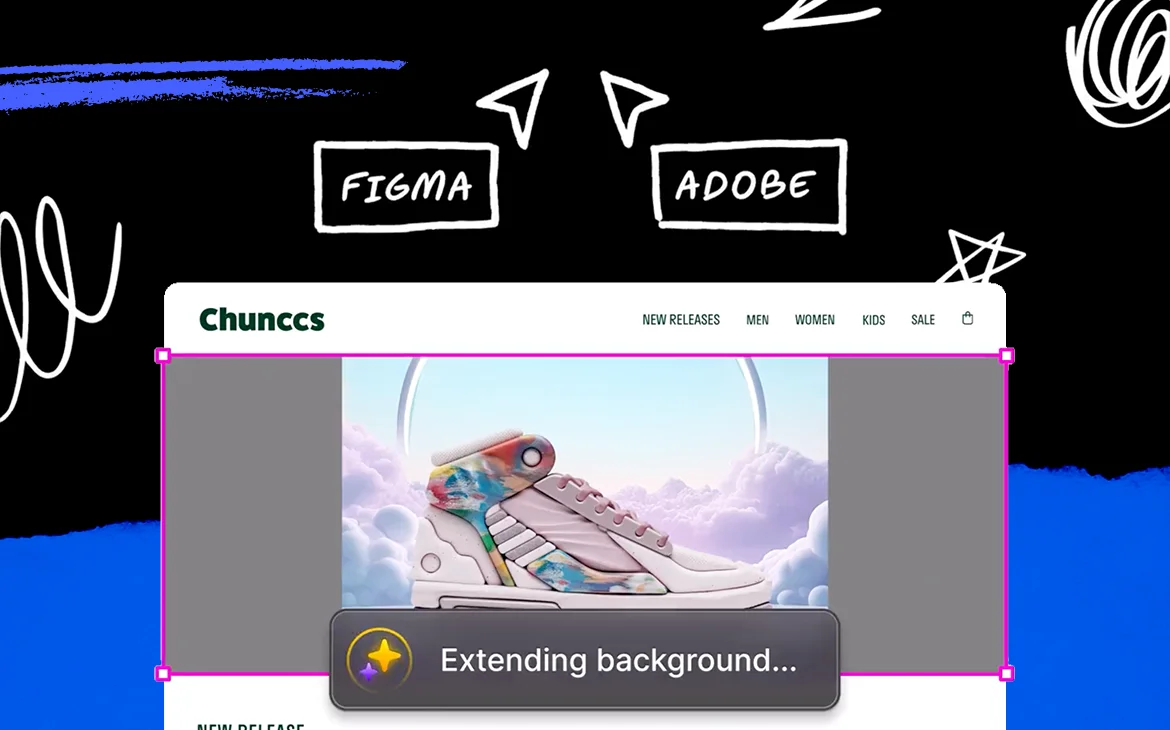
Imaginen la capacidad de integrar Adobe Firefly para realizar experimentos visuales mientras bocetas colectivamente en Figjam. Noah Levin, VP de diseño de producto en Figma ya nos dió una probada con este hilo en X.
I’ve had a blast these past few weeks jamming with a few folks from @adobe & @figma on a mini vision sprint dreaming up possible futures together
— Noah Levin (@nlevin) October 26, 2023
We wanted to start with something scrappy to get our creativity going, so we pulled together this video exploring “What ifs”… (1/6) pic.twitter.com/4O32NRZ60s
Si bien todo esto suena emocionante, no podemos ignorar las preocupaciones. ¿Se perderá la esencia única de Figma en este baile corporativo? ¿Los precios se elevarán, dejando a algunos diseñadores con las manos vacías? Mantengamos la realidad presente mientras exploramos y nos ilusionamos en esta fusión creativa.
Por el momento Dylan Field continuará liderando Figma después del cierre de la transacción, reportando a David Wadhwani, Presidente del Negocio de Medios Digitales de Adobe. Hasta que se complete la operación, ambas empresas seguirán operando de forma independiente.
En resumen, la adquisición de Figma por parte de Adobe ha provocado un torbellino de opiniones en la industria del diseño digital. Mientras algunos temen la pérdida de independencia, otros vislumbran un futuro emocionante lleno de innovación. Solo el tiempo dirá cómo evoluciona esta unión y cuáles serán las verdaderas consecuencias para la industria y los usuarios.