Un mejor presente cambiando el futuro
Por: Carlos De Santiago
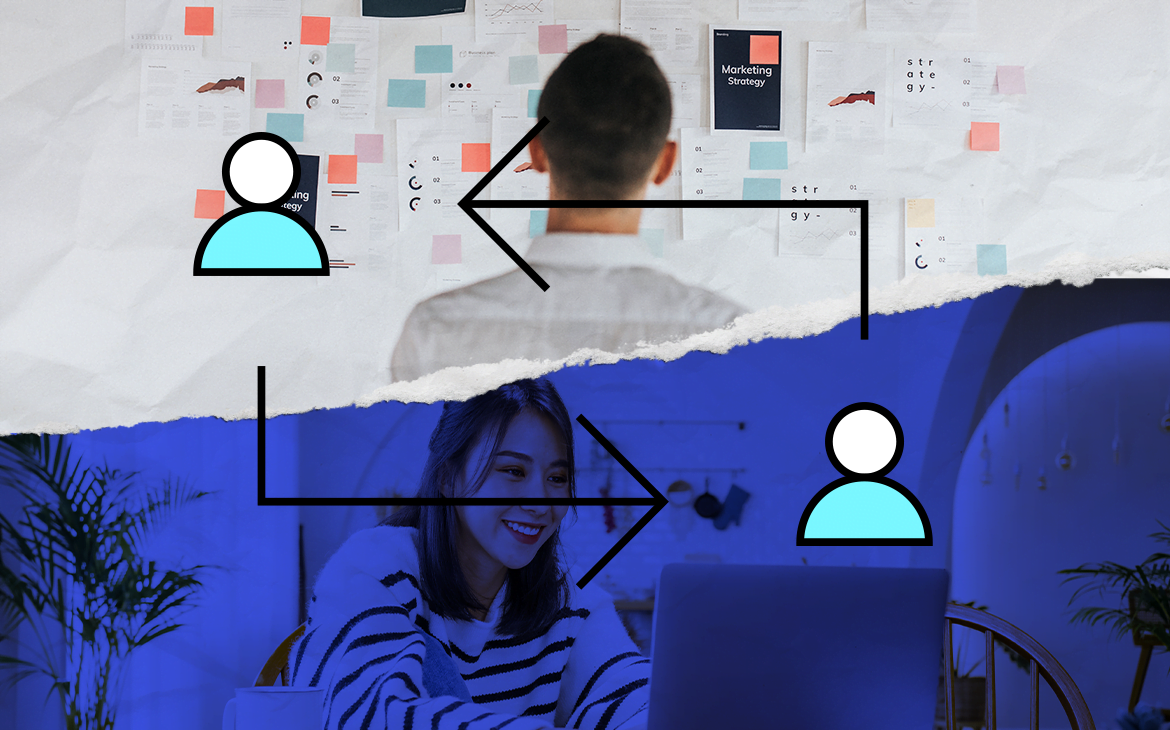
El 31 de enero y 1 de febrero de 2024 tuve la oportunidad de ver dos pláticas muy interesantes en Design Matters México 2024, y una idea que resonó con fuerza en mi cabeza fue que nuestra concepción del futuro moldea nuestras acciones en el presente, y nuestras experiencias actuales. Es un ciclo interminable en el que nuestras expectativas del mañana se entrelazan con las realidades de hoy, a menudo dando lugar a una visión distópica de un mundo dividido por la tecnología, la desigualdad social y el cambio climático.

Sin embargo, en medio de este círculo vicioso, surge una oportunidad para diseñar salidas hacia un futuro diferente, ¿cómo? Redefiniendo la forma en que concebimos y abordamos el diseño y la innovación.
En primer lugar, es crucial reconocer que la creatividad ha caído en una espiral que prioriza la eficiencia, donde la búsqueda de soluciones rápidas ha eclipsado la exploración de caminos nuevos llevándonos a soluciones “ya conocidas”. Un ejemplo claro es el Apple Vision Pro, que si bien la tecnología, construcción y experiencia a simple vista se ve impresionante, nos hace pensar inmediatamente en un visor de realidad virtual que pretende venderse como realidad aumentada. Algo que Google intentó hace muchos años con sus google glasses y que Meta ha perseguido desde que el metaverso se popularizó hace unos años.
Otro ejemplo sobre la “crisis” de la industria del diseño es el caso de IDEO. Consultora pionera en “Design Thinking”, metodología de diseño que encontró su rápido ascenso en las grandes compañías porque tomaba como base entender el problema empatizando con las personas para después crear soluciones que realmente aportarán valor y resolvieran necesidades. Actualmente IDEO ha cerrado varias oficinas en distintas partes del mundo y reducido a sus colaboradores en 2023 en un 32%.
¿Esto significa que la industria del diseño va en declive?
No, pero sí se ha “manoseado” un poco la metodología design thinking y se ha utilizado como una receta (lineal) que comienza a crear el mismo tipo de solución.
Para romper este ciclo, necesitamos reintroducir el caos y la incertidumbre como una pieza crucial del proceso creativo, permitiendo la exploración divergente y la búsqueda de soluciones con un impacto genuino. No estoy diciendo que eliminemos la estructura y los procesos dentro de la creatividad, solamente que entendamos que la creatividad toma tiempo para llegar a soluciones innovadoras.
También es hora de adoptar un enfoque más integral alrededor de la innovación, que no solo considere las necesidades individuales, sino también el impacto colectivo y global de lo que hacemos. Solo así podremos crear cambios hoy que nos ayuden a visualizar un futuro más armónico para el planeta.

El diseño importa y Design Matters México 2024 nos ha desafiado a imaginar un futuro diferente, uno en el que esta industria sea una fuerza para el cambio positivo. Depende de nosotros transformar esa visión en realidad.