Tu Design System puede cambiar (para bien) tu negocio
Hace algunos años conocimos una marca donde los diseñadores y sus proveedores sufrían bastante en sus aplicaciones por culpa del desorden que había en el Design System de la empresa. Nos contaban que no tenían centralizados sus elementos gráficos, que cada área del negocio diseñaba a su gusto y que cuando entró un nuevo socio al despacho para llevar el negocio a otra región, terminaron creando accidentalmente otra marca de lo diferente que eran sus artes.
Aunque esta situación llega a ser más común en muchos emprendimientos con poca planeación, la realidad es que también le pasa a las grandes marcas. Por eso, hoy queremos contarte lo importante que es tener ordenado y actualizado tu Design System, una acción que parece pequeña, pero que créenos, en un futuro te será crucial para crecer tu negocio.
Antes que nada, debemos recordar qué es el Design System. A pesar de que existen varias definiciones, la generalidad es que se trata de la colección de todos los elementos gráficos que constituyen tu identidad y comunicación. Suele formarse por una “librería” donde guardas todos los componentes de UI, como botones, figuras, íconos, tipografías y paletas de colores, y una guía de estilo en la que estableces usos de estos elementos bajo diferentes formatos, como fotografías y videos, y distintos canales, como impresiones, posteos digitales o promocionales.
En un principio, el objetivo de un Design System está en garantizar la coherencia visual y funcional de tu marca. Es decir, al definir un conjunto de componentes gráficos estandarizados, logras crear experiencias unificadas que aumentan los niveles de reciprocidad de tu marca con tu público. ¿Por qué sucede esto?
Imagina que cada mes cambiaras los botones y los colores base de tu página web, tus usuarios se sentirían confundidos y a la vez frustrados, ya que su curva de aprendizaje con tu producto tendría que reiniciarse en cada cambio. Por tanto, si utilizas y respetas tu Design System, estás ayudando también a tu usuario, fomentando que la gente se familiarice con tu marca y te identifique más rápido en el mercado.
Es justo en este ejemplo donde vemos otra de las razones por las cuales conviene mantener ordenado y actualizado tu Design System: la comunicación entre áreas. En este caso, entre diseñadores y desarrolladores. Con un Design System correcto, los diseñadores pueden concentrarse en crear experiencias centradas en el usuario, mientras que los desarrolladores pueden aprovechar los componentes y activos reutilizables para dar vida a estos diseños.
Por último, como te decíamos al principio, tu Design System puede ser crucial para tu futuro, porque como señala la reconocida consultora Nielsen Norman Group, para escalar tu negocio es necesario tener un buen Design System. Te lo explicamos.
Los Design System proporcionan un marco que promueve la eficiencia y la escalabilidad dentro de las organizaciones. Con una biblioteca centralizada de componentes reutilizables, los diseñadores pueden crear rápidamente nuevas propuestas o aplicaciones, ahorrando tiempo y esfuerzo.
Además, a medida que tu marca crece y amplía su oferta de productos, tu Design System garantiza que las nuevas funciones se pueden integrar fácilmente en el sistema, lo que garantiza una experiencia uniforme en todo el ecosistema. Esta escalabilidad elimina el riesgo de fragmentación y mantiene una experiencia de usuario unificada, independientemente del dispositivo o plataforma utilizada.
Es por todo esto que tu Design System es una herramienta esencial para tu marca.
Tenerlo centralizado y actualizado te ayuda a crear experiencias consistentes y escalables. Verás que a medida que la innovación digital no frene, tu marca estará mejor preparada para afrontar cualquier situación que venga. Finalmente, la incertidumbre es inevitable; sufrirla, no, para eso está el Design System.
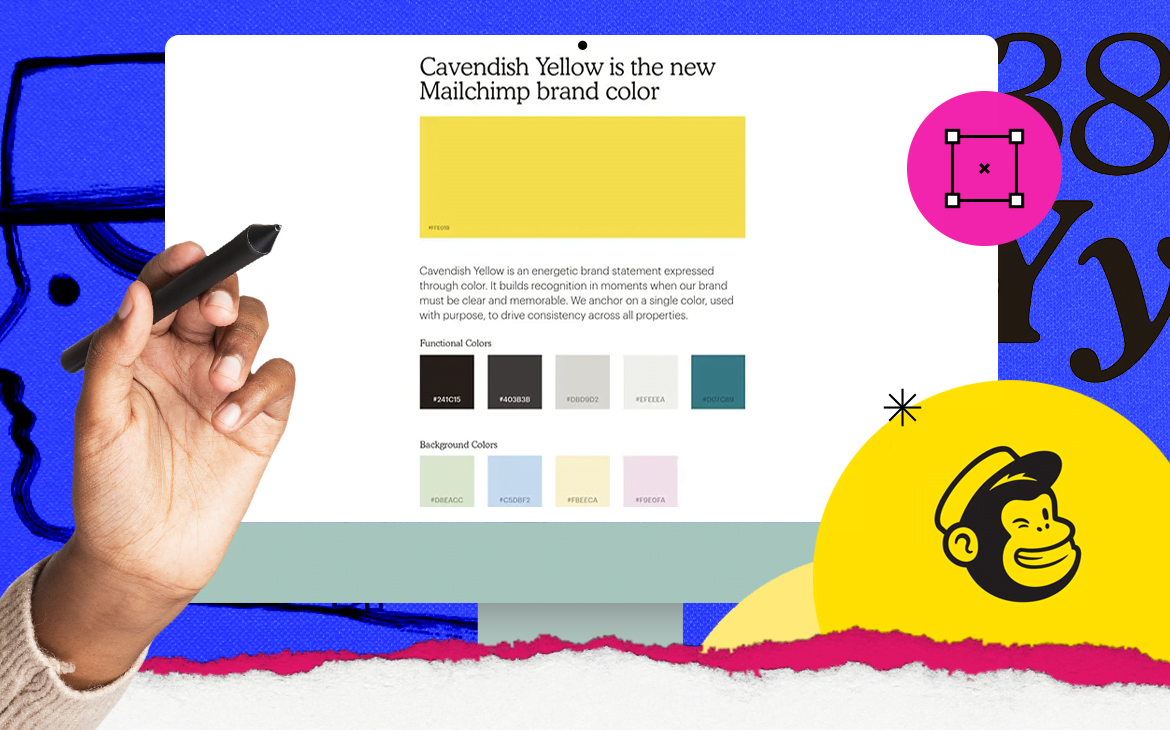
Si quieres saber más de Design System visita los ejemplos de MailChimp y la NASA, o échanos un mensaje, en Gerundio estaremos encantados de trabajar en el tuyo.