Deja de adivinar: valida tu diseño con usuarios reales y mejora tu interfaz
¿Alguna vez te has preguntado por qué algunas interfaces, a pesar de verse bien, frustran a los usuarios?
Muchas veces, esa frustración no proviene del diseño visual, sino de una falta de comprensión de las necesidades, expectativas y comportamientos reales de quienes usan el producto. Por eso, las pruebas con usuarios reales son esenciales para lograr una experiencia de usuario (UX) verdaderamente efectiva.
Por Paola Morales
En el entorno digital actual, el diseño de interfaces (UI) no se trata solo de estética. Se enfoca en cómo las personas interactúan con los productos digitales, cómo se sienten al usarlos y si logran sus objetivos sin fricción.
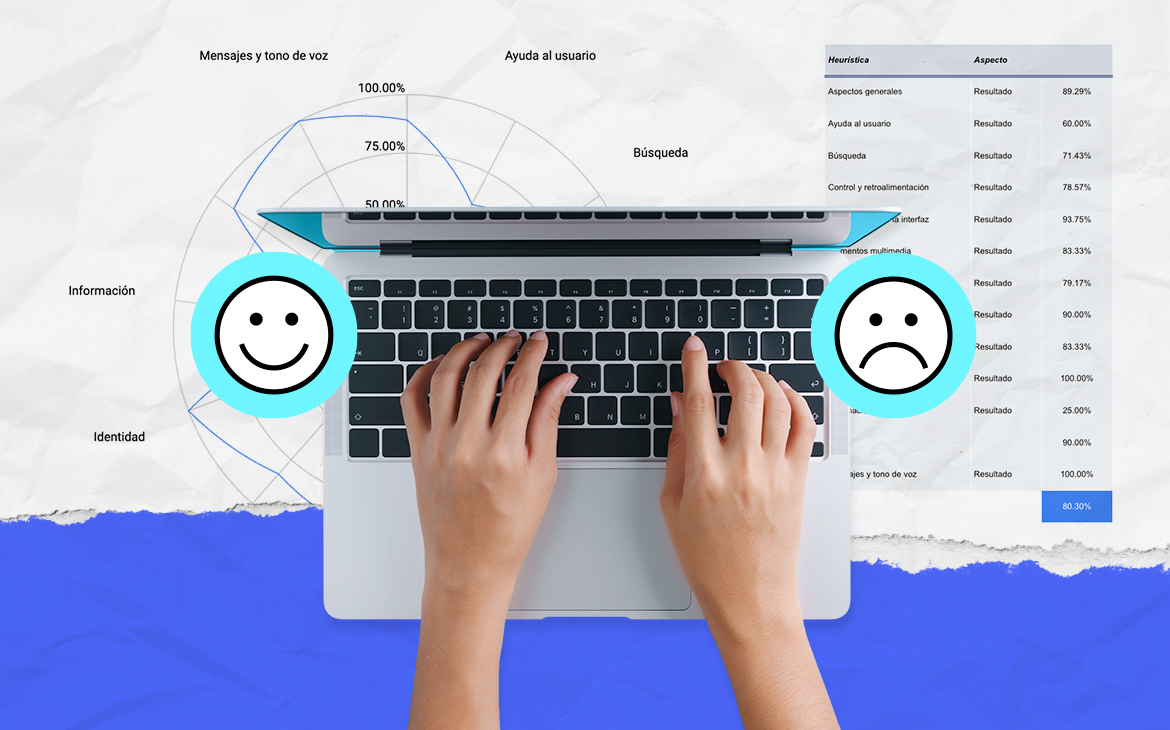
Aquí es donde entra el valor del feedback auténtico: las pruebas de usabilidad con usuarios reales permiten observar cómo interactúan las personas con un prototipo o producto, revelando datos clave que ningún diseño basado solo en supuestos puede prever.
¿Por qué son tan importantes las pruebas con usuarios reales?
Estas pruebas permiten detectar fricciones invisibles para el equipo de diseño, validar hipótesis y anticipar problemas antes de que sea demasiado tarde. Algunas de sus principales ventajas incluyen:
- Detectan puntos ciegos del diseño: Lo que es evidente para el equipo, puede no serlo para el usuario final. Las pruebas identifican obstáculos y zonas de confusión que afectan la experiencia.
- Validan hipótesis de comportamiento: Permiten confirmar si las suposiciones sobre cómo usarán los usuarios el producto son acertadas, o si es necesario ajustar el enfoque.
- Mejoran la arquitectura de navegación: Revelan flujos complejos, botones que pasan desapercibidos o tareas que se perciben como innecesariamente complicadas.
- Evitan errores costosos: Detectar fallos durante el prototipado es más barato y eficiente que corregirlos en un producto ya desarrollado.
- Fortalecen la toma de decisiones de diseño: El equipo de UX/UI puede alinear mejor la experiencia con las expectativas, modelos mentales y necesidades reales del usuario.
- Aumentan la efectividad del producto: Reducen la tasa de abandono, mejoran la satisfacción del usuario y aumentan la probabilidad de retorno.
Un proceso iterativo con impacto real
Incluir pruebas de usabilidad en cada fase del diseño e iteración no es solo una buena práctica: es una inversión estratégica. Validar decisiones desde los primeros wireframes hasta las versiones finales permite construir productos más sólidos, eficientes y humanos.
Al final del día, el éxito de una interfaz digital no depende solo de su apariencia, sino de su capacidad para ayudar al usuario a cumplir sus objetivos sin fricción.
Conclusión: diseñar mejor, escuchando mejor
Las pruebas con usuarios reales son un pilar para cualquier equipo de diseño centrado en el usuario. Integrarlas en el ciclo de desarrollo permite validar, corregir, mejorar y, sobre todo, diseñar con empatía.
Una interfaz que escucha antes de hablar es una interfaz que funciona. Y eso hace toda la diferencia.
¿Estás por lanzar un producto digital y no sabes si tu interfaz funciona como debería? Escríbenos. Podemos ayudarte a probar con usuarios reales, entender lo que realmente necesitan y diseñar con ellos, no solo para ellos.