¿Los productos digitales deben ser funcionales o bonitos? El equilibrio entre funcionalidad y estética
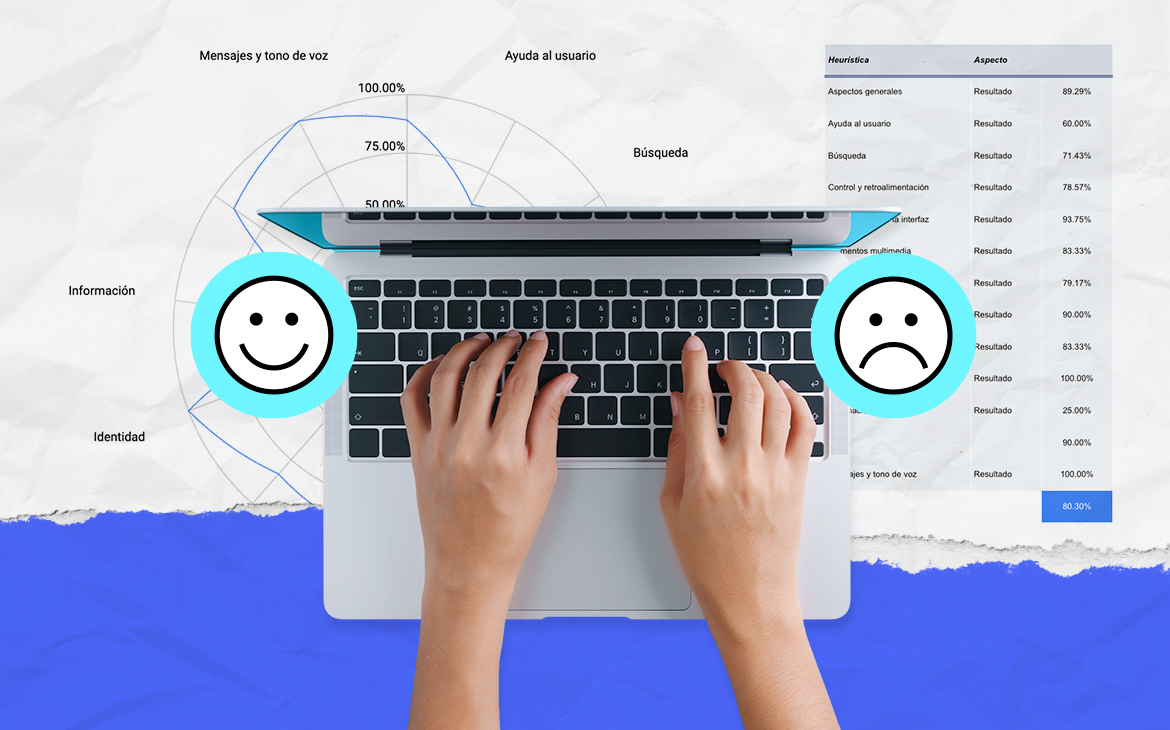
En el desarrollo de aplicaciones móviles, uno de los aspectos más complejos y fundamentales es lograr el equilibrio adecuado entre funcionalidad y estética. Lograr un equilibrio entre estos dos factores es esencial, ya que uno sin el otro puede perjudicar la experiencia general.
Por Paola Morales
Por un lado, la funcionalidad garantiza que la aplicación sea útil y fácil de usar, permitiendo que los usuarios puedan cumplir sus objetivos de manera eficiente. Por otro, la estética contribuye a la experiencia visual y emocional del usuario, haciendo que la aplicación no solo sea útil, sino también agradable de utilizar.
La funcionalidad es clave
La funcionalidad se considera el pilar de cualquier aplicación móvil. Es la que asegura que las interacciones sean rápidas, claras y eficaces. Cuando los usuarios abren una app, lo primero que esperan es poder navegar con facilidad y realizar las tareas que desean sin obstáculos. Botones mal ubicados, tiempos de carga lentos o procesos complicados pueden frustrar rápidamente a los usuarios.
La clave está en crear una estructura de navegación clara, jerarquías bien definidas y flujos de trabajo eficientes que permitan una experiencia sin fricciones. Una app funcional es aquella que prioriza la simplicidad, asegurándose de que todo esté donde los usuarios esperan encontrarlo.
Pero una buena estética mejora cualquier interacción
Por otro lado, la estética juega un papel crucial en la percepción general de la aplicación. Un diseño atractivo no solo hace que los usuarios se sientan más cómodos, sino que también puede influir en su decisión de seguir utilizando la app.
Los colores, las tipografías, los iconos y las animaciones deben ser elegidos con cuidado para que no solo resalten la marca de la app, sino que también faciliten la comprensión de su funcionalidad.
Un diseño estéticamente agradable puede mejorar la confianza del usuario, haciendo que se sienta más inclinado a explorar y confiar en la aplicación. Sin embargo, es importante recordar que una estética sobrecargada o poco funcional puede restar claridad y confusión, algo que debe evitarse a toda costa.
El reto está en encontrar el equilibrio
¿Cómo integrar funcionalidad y estética de una manera armoniosa? La interfaz debe ser tan intuitiva como atractiva. Un diseño bien ejecutado no solo debe verse bien, sino también servir de guía para que el usuario navegue con facilidad.
Las microinteracciones, esas animaciones sutiles que ocurren cuando el usuario realiza una acción, son un excelente ejemplo de cómo los elementos estéticos pueden mejorar la funcionalidad. Estas pequeñas animaciones no solo añaden un toque visual agradable, sino que también proporcionan respuestas inmediatas que confirman que la acción ha sido realizada correctamente. Así, el diseño no solo luce bien, sino que también mejora la usabilidad de la app.
En última instancia, el balance entre funcionalidad y estética es la clave para crear aplicaciones móviles que no solo sean útiles, sino que también proporcionen una experiencia de usuario placentera y memorable.
Si bien cada aplicación tiene sus propios requisitos y objetivos, las que logran equilibrar estos dos aspectos son las que destacan en un mercado tan competitivo. Al cuidar tanto la facilidad de uso como la experiencia visual, se crea una base sólida para la satisfacción del usuario y la retención a largo plazo.
Funcionalidad sin estética puede darnos un producto útil, pero poco agradable de usar y explorar. Estética sin funcionalidad puede resultar más bien en productos superficiales, atractivos a la vista, pero poco útiles.
Encontrar el equilibrio entre ambas partes es fundamental para ofrecer un producto completo que realmente resuelva necesidades al tiempo que resulta cómodo, confiable y atractivo para usar.
¿Estás pensando en lanzar un producto digital y quieres asegurarte de que tiene un buen equilibrio entre estética y funcionalidad? Mándanos un mensaje, tal vez podamos ayudarte en el proceso.