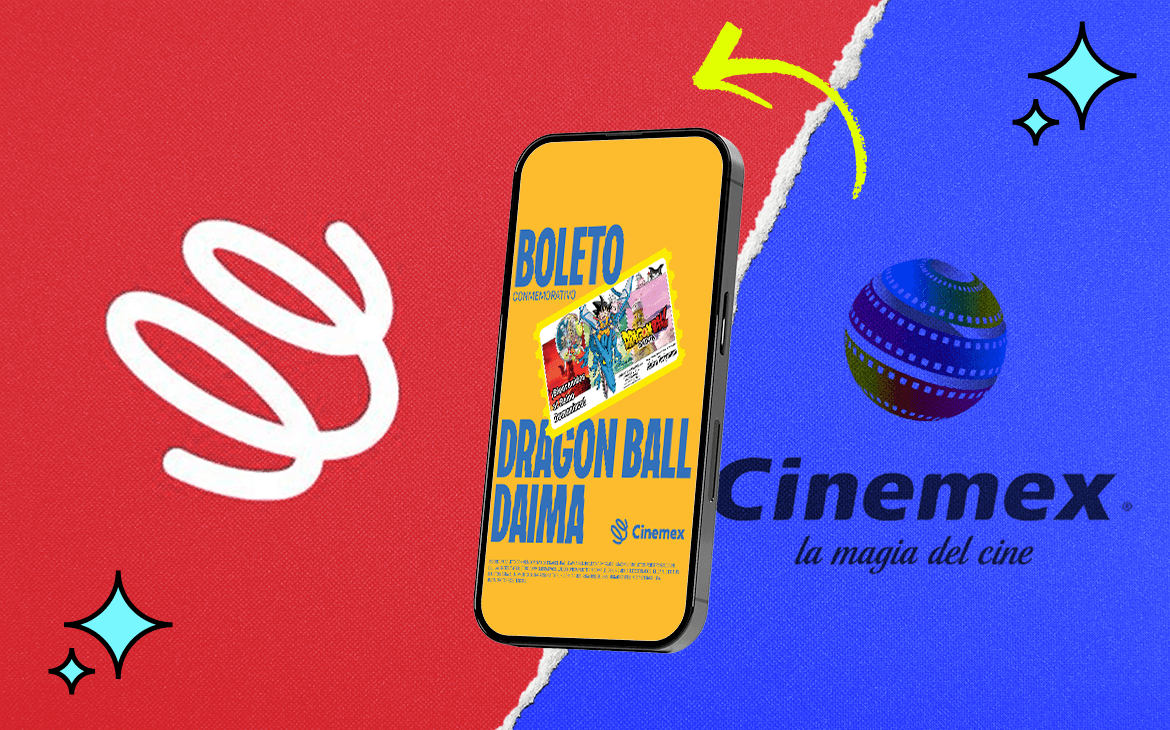
El caso Cinemex y un tranvía llamado “rebranding”
El rebranding de Cinemex trasciende la actualización visual para posicionarse como una evolución del Ecosistema de Lealtad en la industria del entretenimiento. Al integrar el Behavioral Design y una visión de Lealtad Emocional, la marca busca mitigar el churn frente al streaming, transformando su identidad en un activo estratégico que asegura el CLV (Customer Lifetime Value) a largo plazo. Esta transformación permite a la marca blindar su relevancia en un mercado de alta competencia donde la diferenciación es vital para la supervivencia operativa.
Hay pocas noticias en el mundo del diseño que generan más revuelo que un rebranding, sobre todo si se trata de una marca icónica. Cuando una marca de la magnitud de Cinemex decide rebrandearse, este esfuerzo no debe quedarse únicamente en un cambio de apariencia, sino que debe ser un mensaje sobre su visión y aspiraciones de posicionamiento estratégico.
Por: Eduardo Gutiérrez
Rebrandearse no solo significa cambiar. Un buen rebranding va más allá de actualizarse visualmente; se trata de acompañar cambios estratégicos u organizacionales profundos. Su objetivo es resolver retos específicos o capitalizar oportunidades de posicionamiento para una marca. En Gerundio, entendemos que un rebranding es un medio para fortalecer la Brand Loyalty, no un fin en sí mismo.
Un rediseño de marca es más que solo un cambio de logotipo
Aunque sin duda el logotipo es uno de los elementos más visibles, las marcas están compuestas de intangibles críticos. No solo hablamos de estética, sino de la propuesta de valor, el tono de voz y, fundamentalmente, la experiencia del usuario o Service Design.
Rebrandearse significa realizar una revisión exhaustiva de todos los atributos de una marca y alinearlos con una nueva estrategia de User Centered Design (UCD). Se trata de asegurar que cada punto de contacto refuerce la promesa de marca para optimizar la retención orgánica.
El contexto importa: Del Streaming al Loyalty Loop
Cada rebranding ocurre en un contexto que no se puede ignorar. En el caso de Cinemex, el auge de las plataformas de streaming y las nuevas expectativas de los consumidores han reconfigurado el Loyalty Loop del entretenimiento. Entender este contexto es clave para interpretar el «por qué» de una renovación: la necesidad de aumentar la Customer Stickiness en un entorno donde la oferta es infinita y la competencia por la atención es feroz.
El Framework de Rebranding Estratégico
Para que una marca icónica evolucione sin perder su esencia, debe equilibrar tres dimensiones clave: * Relevancia Cultural: Mantenerse como parte del imaginario colectivo y la cultura popular. * Diferenciación Técnica: Utilizar el diseño para comunicar una ventaja competitiva clara a través de la UX/CX. * Lealtad Emocional: Transformar la identidad en un vehículo de Advocacy que conecte con la historia personal del usuario.
Marcas que son patrimonio colectivo
Las marcas icónicas como Cinemex no son solo propiedad corporativa; son parte del patrimonio emocional de la gente. Cada cliente que ha vivido una experiencia con la marca es dueño de una parte de su Brand Equity. Cinemex ha sido el escenario de rituales cotidianos, y ese legado es un activo de lealtad que debe cuidarse mediante un enfoque de Lealtad 3.0.
Esto no significa que una marca no pueda evolucionar, sino que tiene que hacerlo de manera estratégica, evitando seguir tendencias de diseño efímeras y centrándose en el valor real para el usuario. Un rebranding es una transformación respaldada por una visión centrada en las personas. Las marcas icónicas no solo se reinventan; llevan consigo la responsabilidad de preservar su esencia mientras avanzan hacia el futuro, optimizando su Costo de Retención vs. Adquisición mediante una identidad sólida.
¿Estás basando la evolución de tu marca en tendencias visuales o en una estrategia de Branding robusta diseñada para el largo plazo? En Gerundio te ayudamos a liderar transformaciones que protegen tu legado mientras aseguran tu crecimiento futuro. Mándanos un mensaje.